提到 IB 数学,很多家长和同学第一反应就是难度高、选课烧脑。IB 数学 AA、AI、HL、SL 到底怎么选?不搞 “题海战术” 的数学课到底如何落地?
今天我们对话杭州上海世外中学(以下简称:杭州世外)IB数学+班主任——朱毅老师,让他来跟我们聊聊杭州世外真实的 IB 数学教学与双轨课程下学生的成长之路。
When it comes to IB Math, many parents and students immediately think of its high difficulty and the brain-teasing decision-making process involved in course selection. How exactly should students choose between IB Math AA, AI, HL, and SL? And how does a math class that avoids the “drill-and-practice” approach actually work in practice? Today, we’re speaking with Mr. Yi Zhu, the IB Math Teacher + Homeroom Teacher at HZWFLS, to hear about the school’s actual IB Math instruction and the students’ growth journey under its dual-track curriculum.
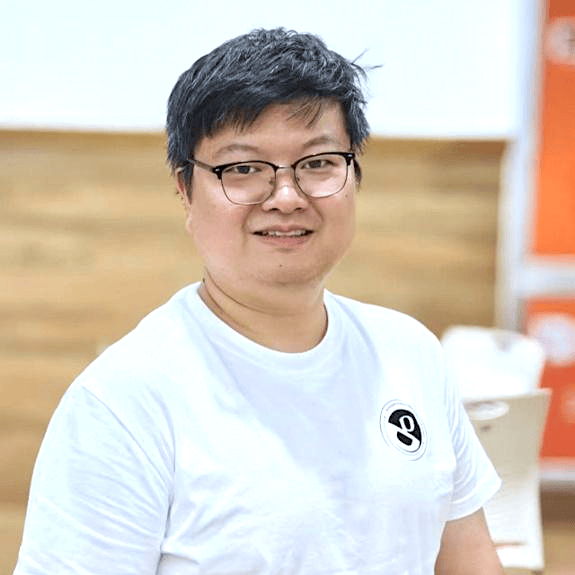
PROFILE
朱毅 Mr. Yi Zhu
浙江大学,本科
佛罗里达大学,硕士
任教:IB Mathematics + 班主任
Zhejiang University, Bachelor’s Degree
University of Florida, Master’s Degree
IB Mathematics Teacher + Homeroom Teacher
这里的 IB 课堂:学习可以不止刷题
IB: Learning Is More Than Just Solving Problems
Q:进入杭州世外接触 IB 数学的教学,对比传统数学课堂,您最大的观念冲击是什么?
Q: After joining HZWFLS and experiencing its IB Math curriculum, what was the biggest shift in your perspective compared to traditional math classes?
朱毅老师:
Mr. Yi Zhu
“在 IB课程的整体框架之下,不管是老师还是学生,杭州世外的课堂都拥有很大的自由度。我们这里的学习形式是非常多元的,可以是探究式、研究式。我们可以在沟通讨论里、在趣味游戏里、从一个现实问题切入,完成知识的学习,并且把学到的知识落地应用,而不是单一的刷题讲题模式。
很多人会误以为 IB 数学就是把题目变难,实际上它更看重知识和现实世界的连接。就拿条件概率这个知识点来说,上课我们会拿医学检测里的 “假阳性” 案例来做探究。同学们借助韦恩图工具推演计算,切身理解:有些小概率事件,会在特定条件下被放大。经过这样一番探究,大家不再是死记公式,而是真正读懂生活现象背后隐藏的数学逻辑。”
“Within the overall framework of the IB curriculum, both teachers and students enjoy a great deal of freedom in the classrooms at HZWFLS. Our learning approaches are highly diverse, ranging from inquiry-based to research-based. We can acquire knowledge through communication and discussion, engaging in fun games, or by tackling real-world problems—and then apply that knowledge in practical ways, rather than relying solely on a model of repetitive problem-solving and lecture-based instruction. Many people mistakenly believe that IB Math simply involves making problems more difficult; in reality, it places greater emphasis on connecting knowledge to the real world. Take the concept of conditional probability, for example: in class, we use the case of “false positives” in medical testing as a basis for inquiry. Students use Venn diagrams to reason through calculations and gain a firsthand understanding: certain low-probability events can be amplified under specific conditions. Through this kind of inquiry, students move beyond simply memorizing formulas and truly grasp the mathematical logic underlying real-life phenomena.”
AA 还是 AI?高一缓冲期,帮你找准数学赛道
AA or AI? The Freshman Transition Period,
Helping You Find the Right Math Track
Q:IB 数学分为 AA、AI 两大方向,还有 HL 高阶、SL 标准层级,很多家庭分不清两者差异,杭州世外高一不分流的模式,在数学选课上带来哪些优势?
Q: IB Math is divided into two main tracks—AA and AI—as well as HL (Higher Level) and SL (Standard Level). Many families struggle to distinguish between them. What advantages does HZWFLS’s “no track selection” model in G10 offer when it comes to choosing math courses?
朱毅老师:
Mr. Yi Zhu
“很多学生刚升入高中,并不清楚自己更适配哪一类数学方向,也不了解 IB、A-Level 两套课程评估体系。我们学校采用高一不分流,让同学们能缓冲探索自己的学术领域,高二再正式选择 IBDP 或A-Level,刚好解决这个痛点。
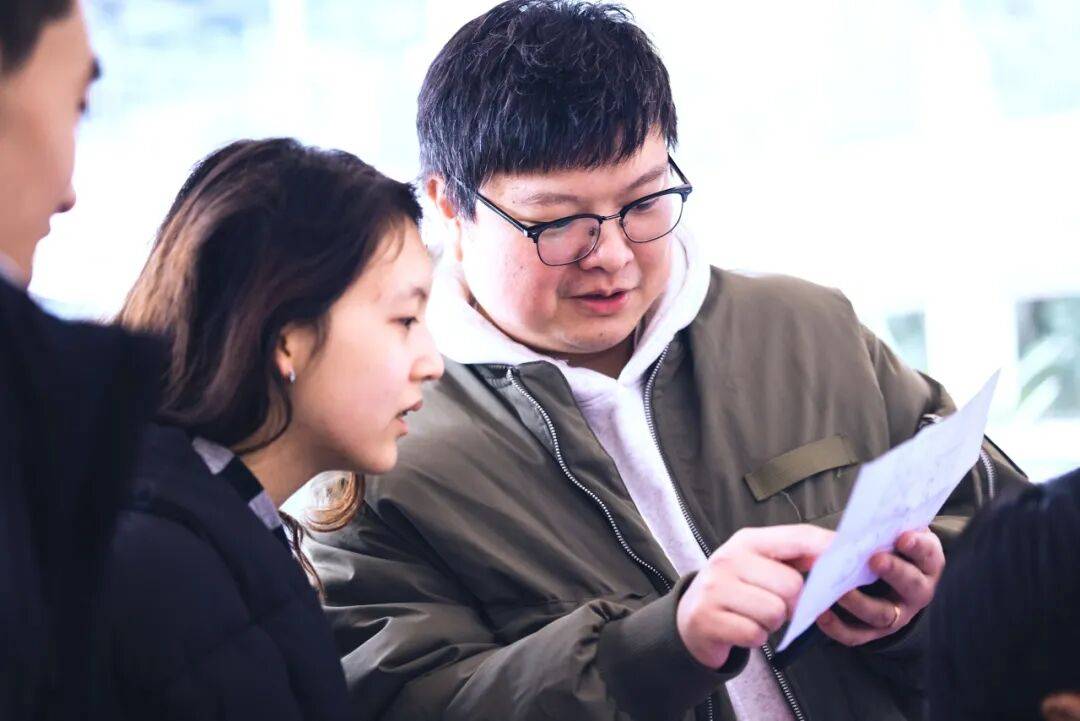
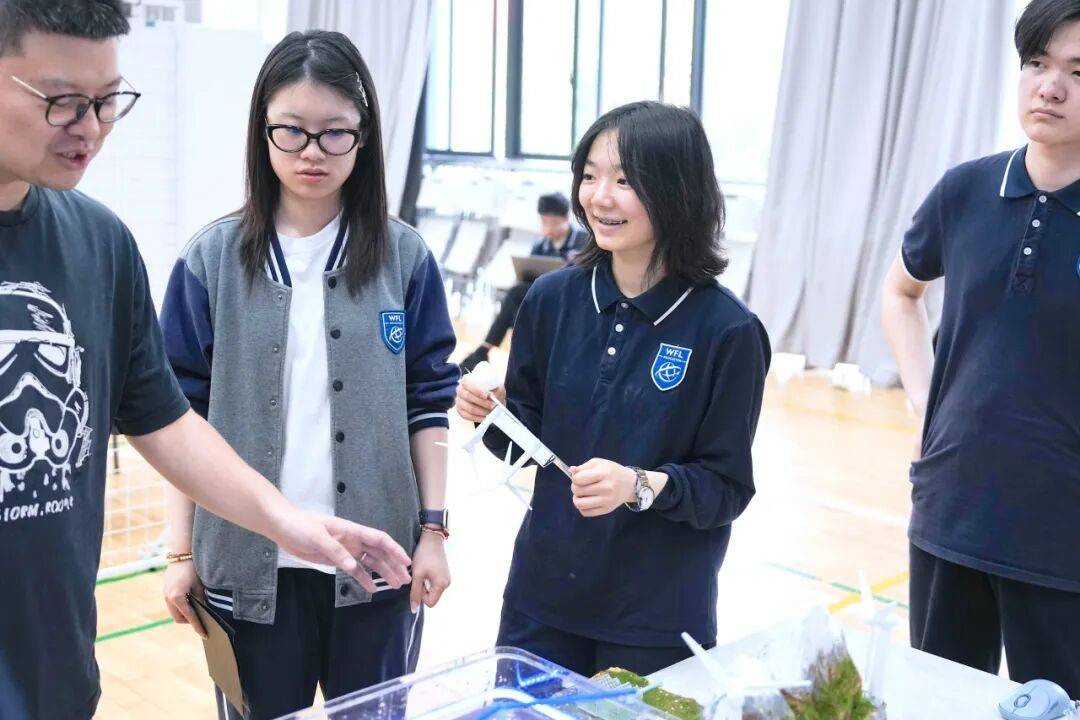
我们师生比达到 1:3,实行小班化教学,这给数学学科带来很大便利。作为 IB 数学老师和班主任的我可以观察每一位同学不同作业的完成状态,留意他们的思维习惯。结合学生擅长学科、学习模式、未来意向留学地区与专业,同时和家长充分沟通,给出客观的选课建议,最终选择权交给学生和家庭,尊重家庭的意愿。
数学也会深度联动 IB 三大核心 TOK 认识论、EE 拓展论文。比如 TOK 课堂会探讨:
数学真理是否独立于人的经验?
数学的确定性有没有边界?
学生会调动学到的公理、定义,支撑自己的思辨观点。不少同学还会把数学能力迁移到 EE 论文、AMC、iGEM 这类竞赛当中,在这里,数学不再是一门孤立学科。 ”
“Many students, having just entered high school, are unsure which math track suits them best and are unfamiliar with the IB and A-Level assessment systems. Our school does not stream students in their first year of high school, allowing them time to explore their academic interests before formally choosing between the IBDP and A-Level in their second year—which effectively addresses this challenge. Our student-to-teacher ratio is 1:3, and we implement small-class instruction, which greatly benefits the math curriculum. As both an IB math teacher and homeroom teacher, I am able to observe how each student completes different assignments and take note of their thinking patterns. By considering students’ academic strengths, learning styles, preferred study abroad destinations, and intended majors—while maintaining thorough communication with parents—I provide objective course selection advice. Ultimately, the final decision rests with the students and their families, and we respect the family’s wishes. Mathematics is also deeply integrated with the three core IB components: Theory of Knowledge (TOK) and the Extended Essay (EE). For example, in TOK classes, we explore questions such as: Is mathematical truth independent of human experience? Are there limits to the certainty of mathematics? Students draw upon the axioms and definitions they have learned to support their critical arguments. Many students also apply their mathematical skills to competitions such as the Extended Essay, the AMC, and iGEM. In this context, mathematics is no longer an isolated subject.”

不止分数!这里的全人教育藏在日常细节中
Holistic Education Is Embedded in the Everyday Details
Q:TOK、EE、CAS 常常被学生看作 “额外任务”,怎么引导学生看待 IB 的三大核心?高一这一年缓冲期,除了选课,还给学生带来什么?
Q: Students often view TOK, EE, and CAS as “extra work.” How can we guide students to view the three IB core components differently? During this buffer year in G10, what else does it offer students besides course selection?
朱毅老师:
Mr. Yi Zhu
“IB 不只是追求学科高分,十大培养目标渗透在我们校园中的方方面面。每月之星评选、班会课、班级文化布置,都在潜移默化传递 IB 育人理念,从高一开始就让学生理解 IB 完整的培养逻辑,不会把 TOK、EE、CAS 当成负担。
高一的缓冲年,本质是给学生自我探索的窗口期。同学们亲身感受两套课程不同的考核逻辑,认清自身学术兴趣、优势短板。面对学科、论文、活动、竞赛多重任务压过来的时候,我们也会介入,引导学生做时间规划,做好心理疏导,陪伴学生处理学业压力,看见他们分数之外的成长。
另外,世外教育集团配套的资源也在为学生赋能:职业讲座帮助学生了解各行各业需要的能力,倒推自己大学专业方向;学科竞赛辅导、研学、校友资源,都服务于学生长期成长规划,而不是单纯追求一纸奖项。 ”
“The IB is not just about achieving high grades in academic subjects; its Ten Learning Outcomes are woven into every aspect of our campus life. The ‘Student of the Month’ awards, homeroom sessions, and classroom decorations all subtly convey the IB’s educational philosophy, helping students understand the IB’s comprehensive educational framework from the very beginning of their freshman year—so they don’t view TOK, EE, and CAS as burdens. The ‘buffer year’ of G10 is, at its core, a window of opportunity for students to explore themselves. Students experience firsthand the different assessment logics of the two curricula, gaining clarity on their academic interests, strengths, and areas for improvement. When students are overwhelmed by multiple demands—such as coursework, essays, extracurricular activities, and competitions—we step in to guide them in time management, provide emotional support, and help them navigate academic stress, while recognizing their growth beyond just test scores. In addition, the resources provided by the WFL Education Group further empower students: career lectures help them understand the skills required in various industries, enabling them to work backward to determine their college major; subject competition coaching, field studies, and alumni networks all serve students’ long-term growth plans, rather than merely pursuing a piece of paper in the form of an award.”
什么样的孩子适合读 IB?
What kind of students are suited for the IB?
Q:不少家长在纠结自家孩子适不适合 IB,结合您一线教学的观察,有哪些建议?
Q: Many parents are unsure whether the IB is right for their child. Based on your observations from teaching on the front lines, what advice would you offer?
朱毅老师:
Mr. Yi Zhu
“第一点,务必重视英语能力。IB课程中的 大量作业、校内评估、EE 大论文,都要求学生具备很强的英文理解与输出能力,语言会直接影响学科学习的上限。
第二,家长可以多给孩子思考、试错的空间。IB 课程非常看重探究、创意与独立思考,如果习惯了被动接收答案,进入体系之后会比较吃力。保留孩子自主探索的机会,更适配 IB 的学习节奏。
学生在杭州世外完整走完 IB 的学习旅程,收获的不只是大学录取通知书,还有跨文化理解力、学术研究方法、自我管理能力,这些都是 AI 时代很难被替代的核心竞争力。 ”
“First, it is essential to prioritize English proficiency. The IB’s extensive homework, in-school assessments, and Extended Essay all require students to possess strong English comprehension and writing skills; language ability directly impacts the upper limit of academic achievement. Second, parents should give their children more space to think and learn through trial and error. The IB places great emphasis on inquiry, creativity, and independent thinking; students accustomed to passively receiving answers may struggle once they enter the program. Allowing students the opportunity to explore on their own is better suited to the pace of IB learning. Students who complete the full IB journey at HZWFLS gain more than just college acceptance letters; they also acquire cross-cultural understanding, academic research methods, and self-management skills—all of which are core competencies that are difficult to replace in the age of AI.”

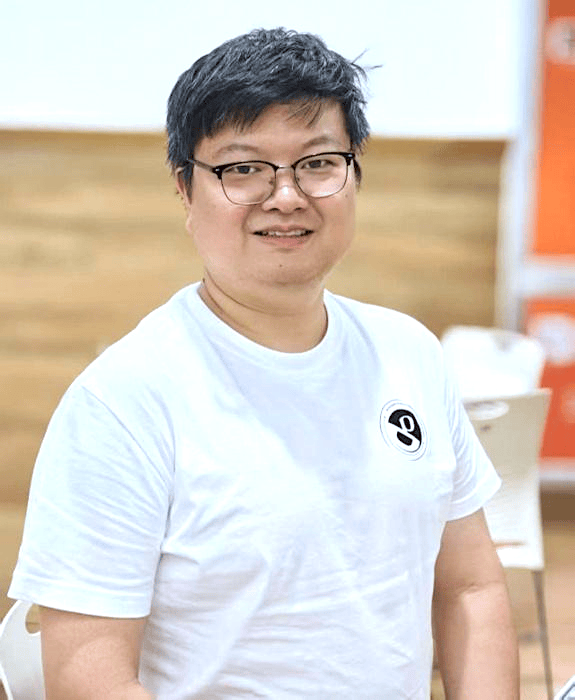
朱毅
希望同学们借由在杭州世外学习 IB 的这段学习旅程,充分认识自我,找到属于自己的方向,坚定奔赴心中的梦想。
A Message from Mr. Yi Zhu: I hope that through your IB journey at HZWFLS, you will gain a deep understanding of yourselves, discover your own path, and pursue your dreams with determination.
本文转载自:国际教育在线,转载请保留原文链接。