
教研赋能 行稳致远
中外教师联合教研暨Cognia学术培训
创新 | 发展 | 共赢 | 未来
2026-2027学年第一学期
教师培训第一期
在一所K-12国际学校里,120位中外教师坐在同一个空间里,这意味着什么?
意味着每一间教室里,都同时存在着两种甚至多种文化视角;
意味着每一个学生,都在多元文化的交汇中被塑造;
也意味着,教育者自身必须先学会一件事——看见彼此,才能更好地看见学生。
力迈以“破冰”为起点,以“标准”为框架,以“案例”为落点,完成了一次从“人”到“法”再到“课”的完整教研闭环。
2026-2027 Academic Year, Semester 1, Teacher Training Session 1
In a K-12 international school, what does it mean when 120 Chinese and international teachers sit in the same room?
It means every classroom holds two or more cultural perspectives at once.
It means every student is shaped at the intersection of cultures.
And it means educators themselves must first learn one thing — to see each other, before they can truly see their students.
Starting with ice-breaking, framed by standards, and grounded in cases, we completed a full teaching research cycle — from people, to method, to classroom.
看见彼此 · Seeing
20分钟,从“文化符号”回归“具体的人”
Seeing Each Other
Part
01
培训在李校长的致辞中拉开帷幕:文化融合不是一句口号,而是K-12国际学校日常运转的底层能力。Cognia标准明确指出,“专业教职员工拥抱有效的协作与协作文化以支持学习者”——这不仅是认证要求,更是国际学校生存与发展的根基。
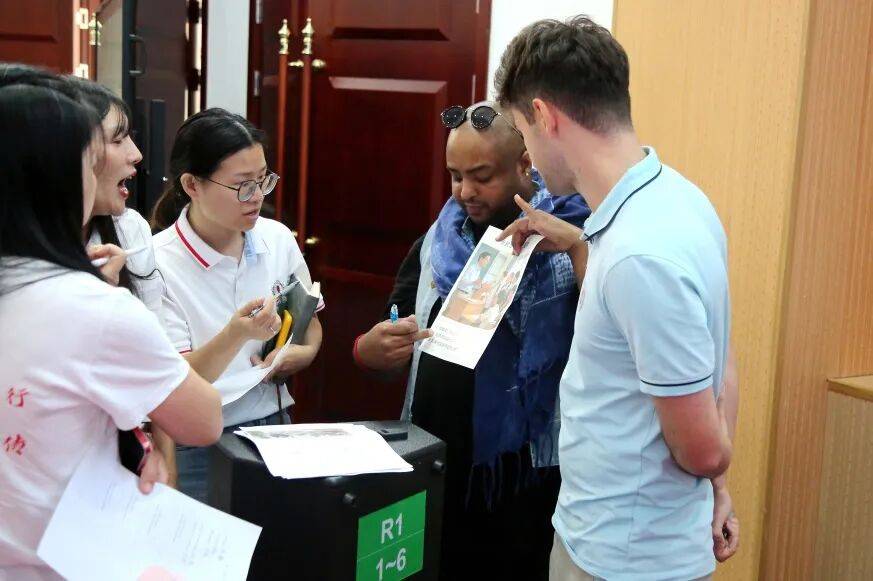
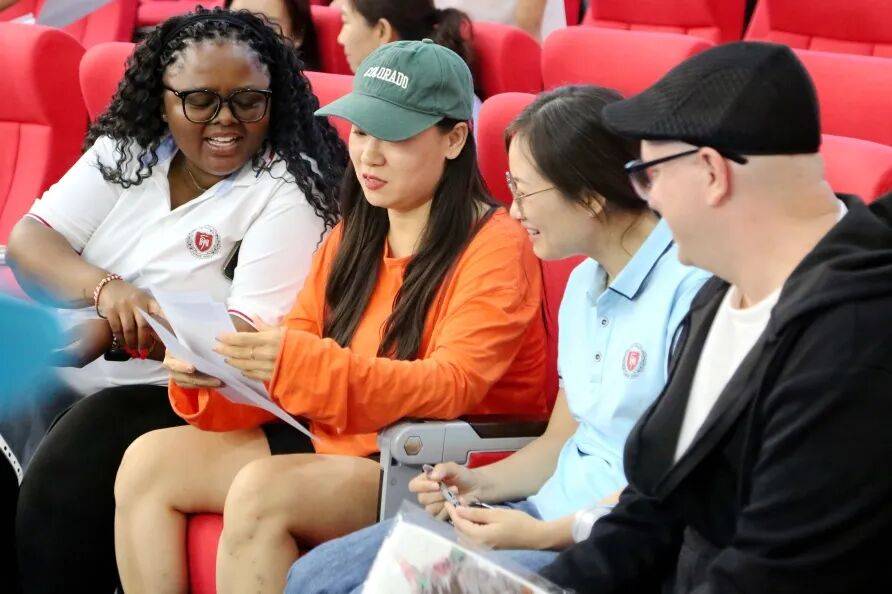
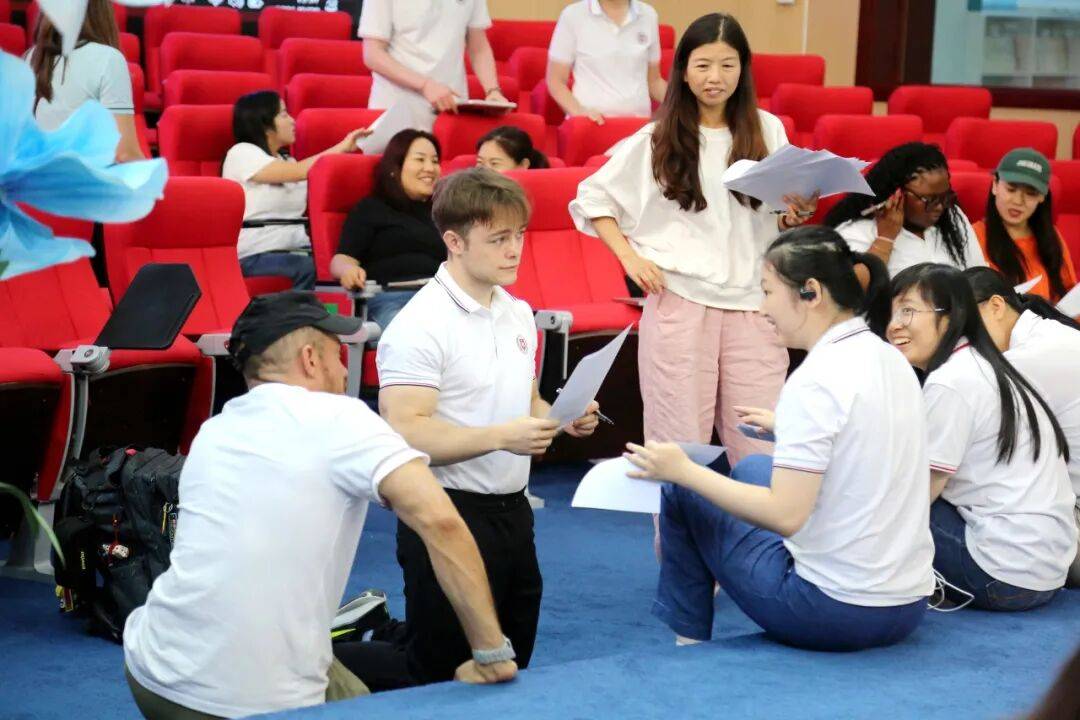
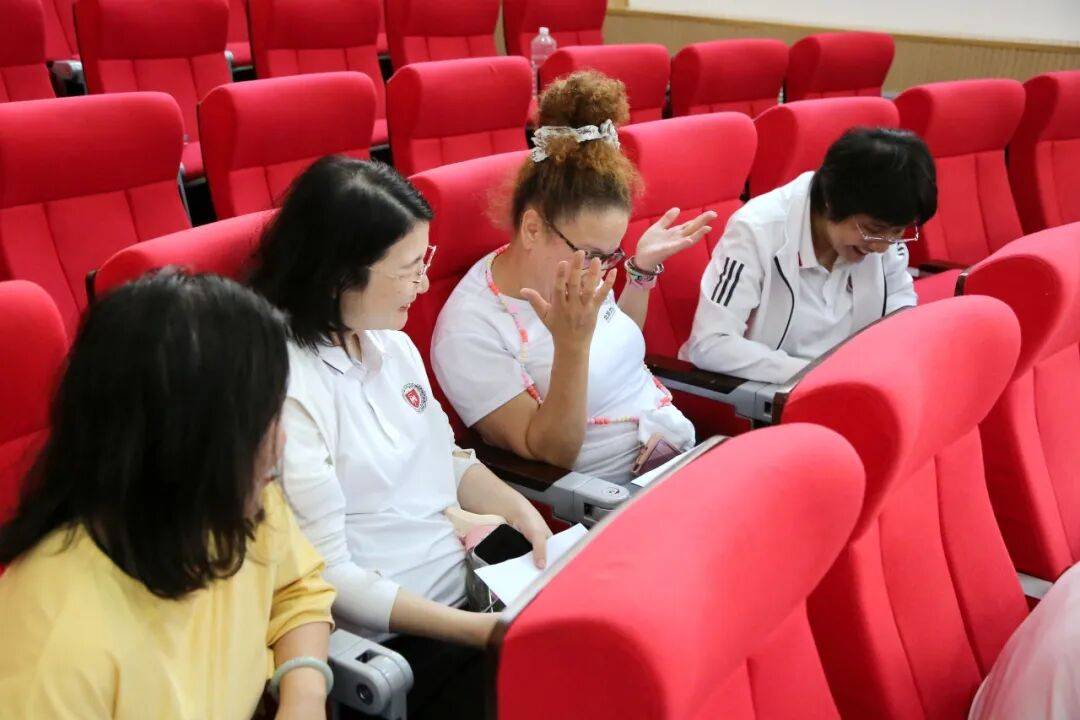
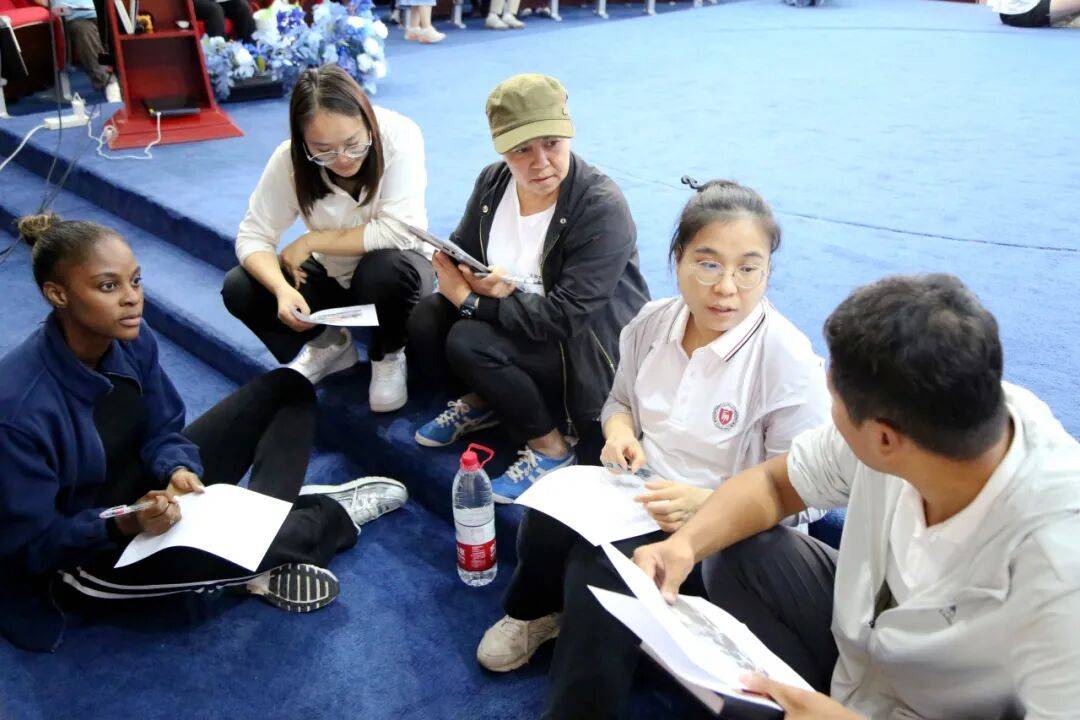
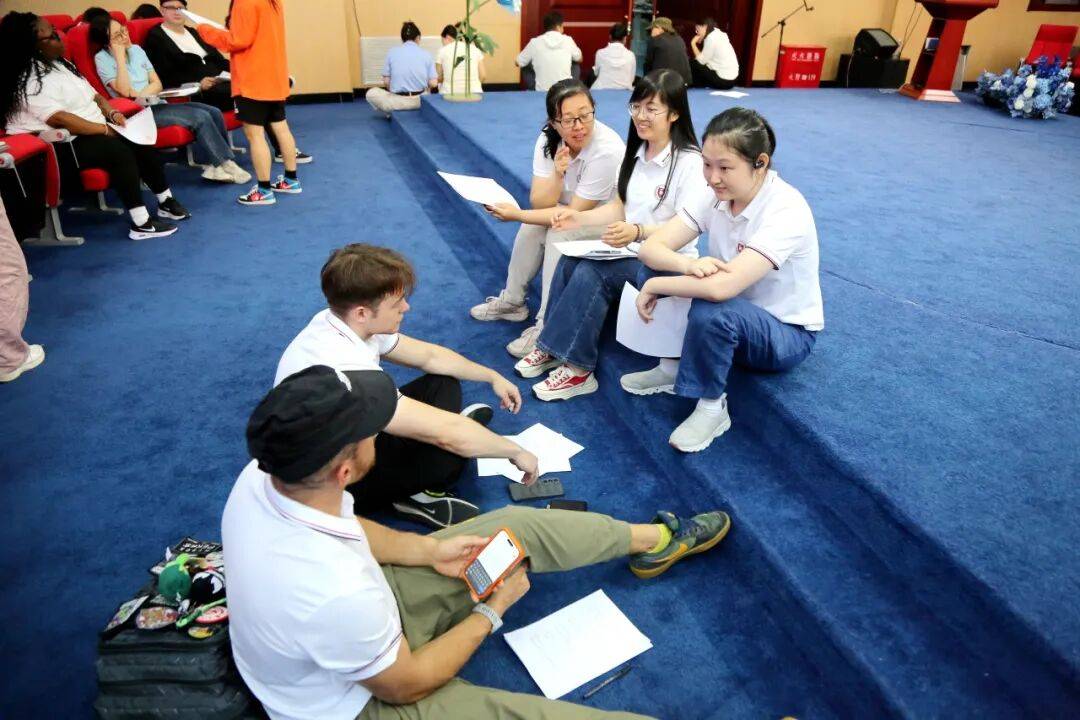
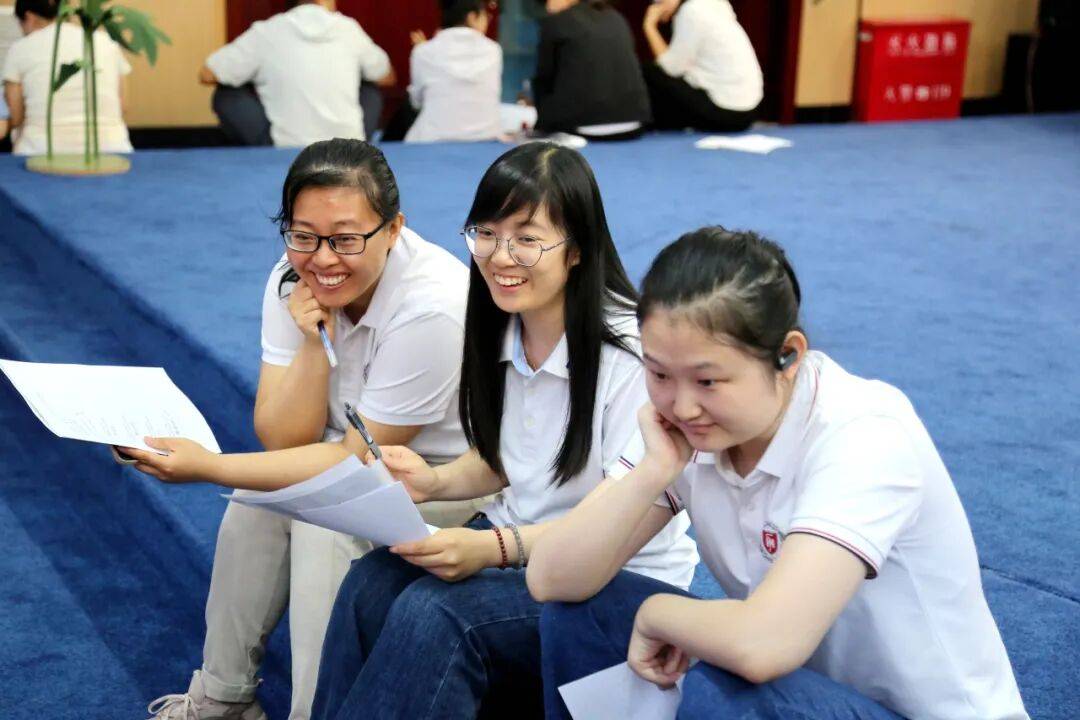
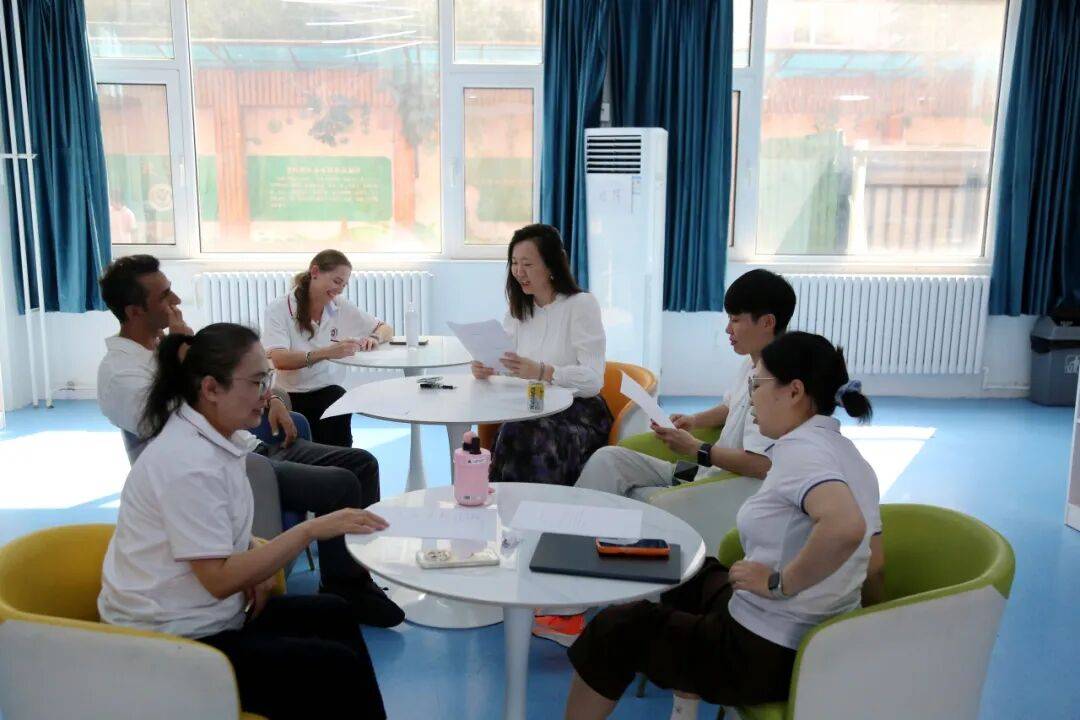
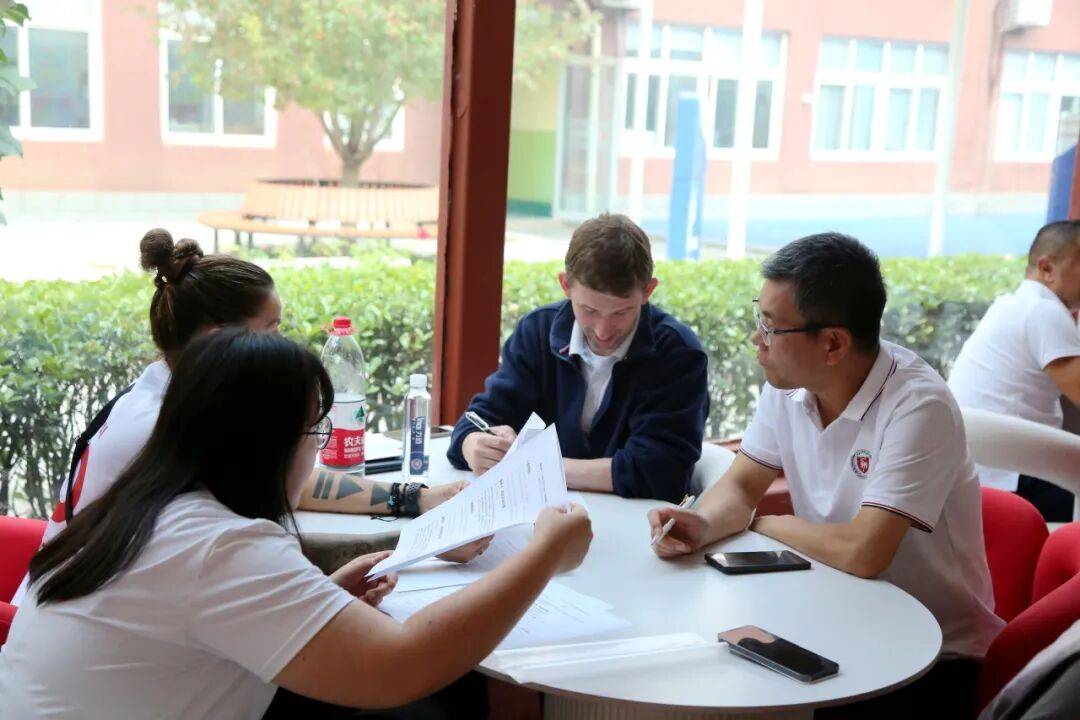
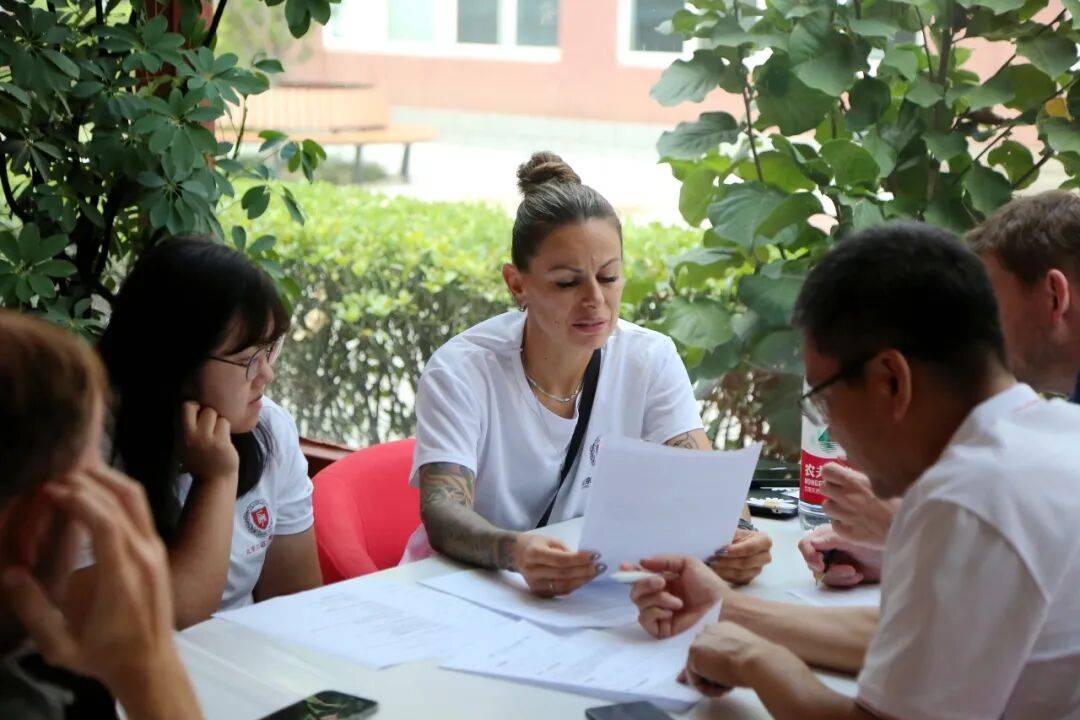
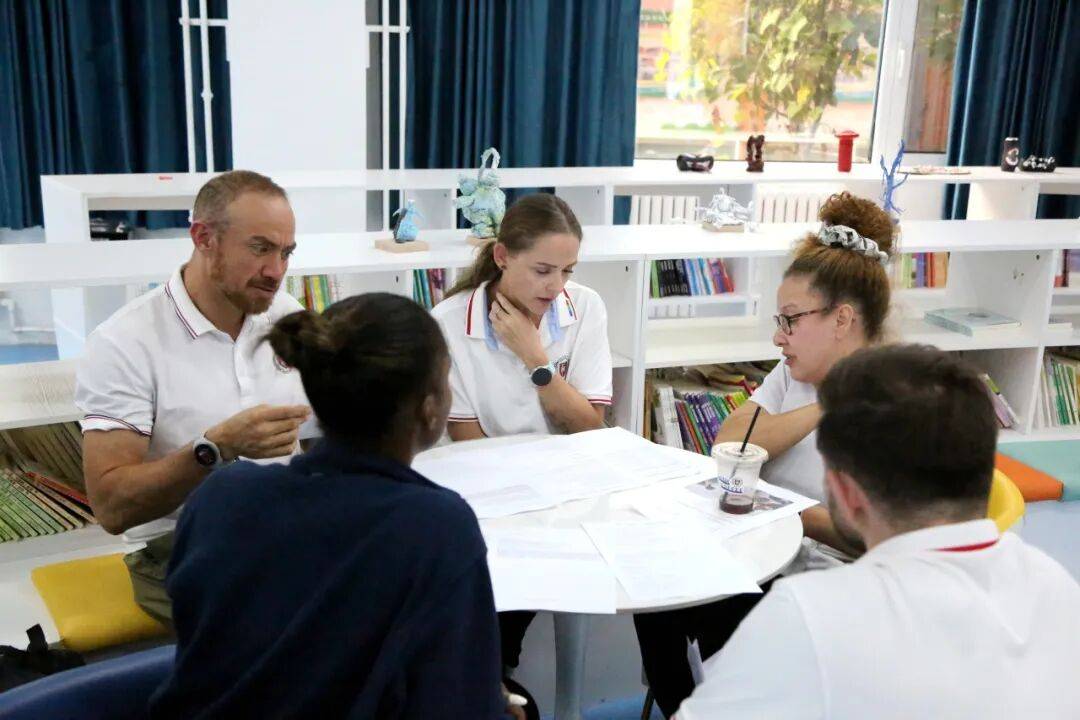
文化名片交换是这一环节的核心。岁岁朝夕的同校共事,终日奔波于各项教育教学事务。真正难得的,是暂且放缓脚步,看见教育同行者彼此背后的成长来路,理解各自恪守的教学准则与育人信念。每位教师填写一张“文化名片卡”,在小组内轮流分享自己的任课科目、习惯的沟通方式,以及对教学的理解和对课堂的期待等。
看似是一次自我介绍,实则是一场有意识的破冰:让彼此从职业身份走向文化背景,从“同事”走向“具体的人”。当这些差异被听见、被尊重,一种能够带回课堂的协作语言也随之形成。
The training opened with Principal Li's remarks: cultural integration is not a slogan, but a foundational capacity for the daily operation of a K-12 international school. The Cognia standards clearly state that "professional staff embrace effective collaboration and a culture of collaboration to support learners" — this is not only an accreditation requirement, but the very foundation for an international school's survival and growth.
Cultural card exchange is the core of this session. What’s rare, working at the same school, is slowing down beyond daily tasks to see each other’s fuller origins, teaching standards, and beliefs. Each teacher fills in a “Cultural Card” and shares in small groups: subject taught, a key hometown festival, preferred communication style, views on teaching, and hopes for the classroom.
It looks like an introduction, but it’s a conscious icebreaker: moving from professional roles to cultural backgrounds, from “colleagues” to whole people. When these differences are heard and respected, a collaborative language emerges — one that can be brought back into the classroom.
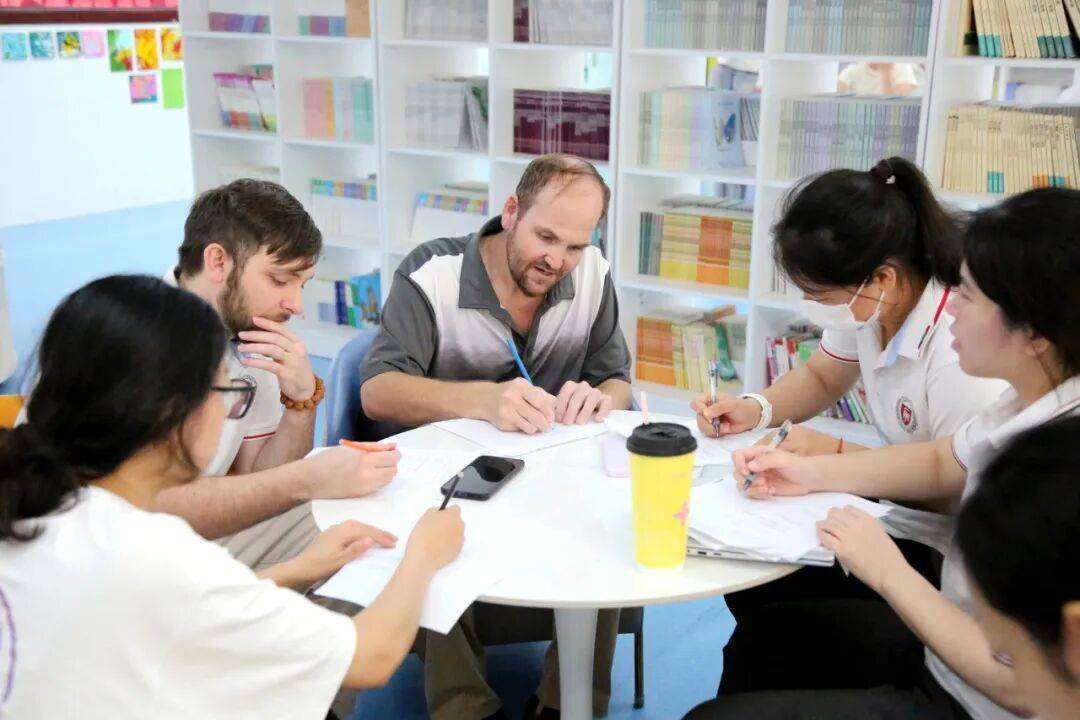


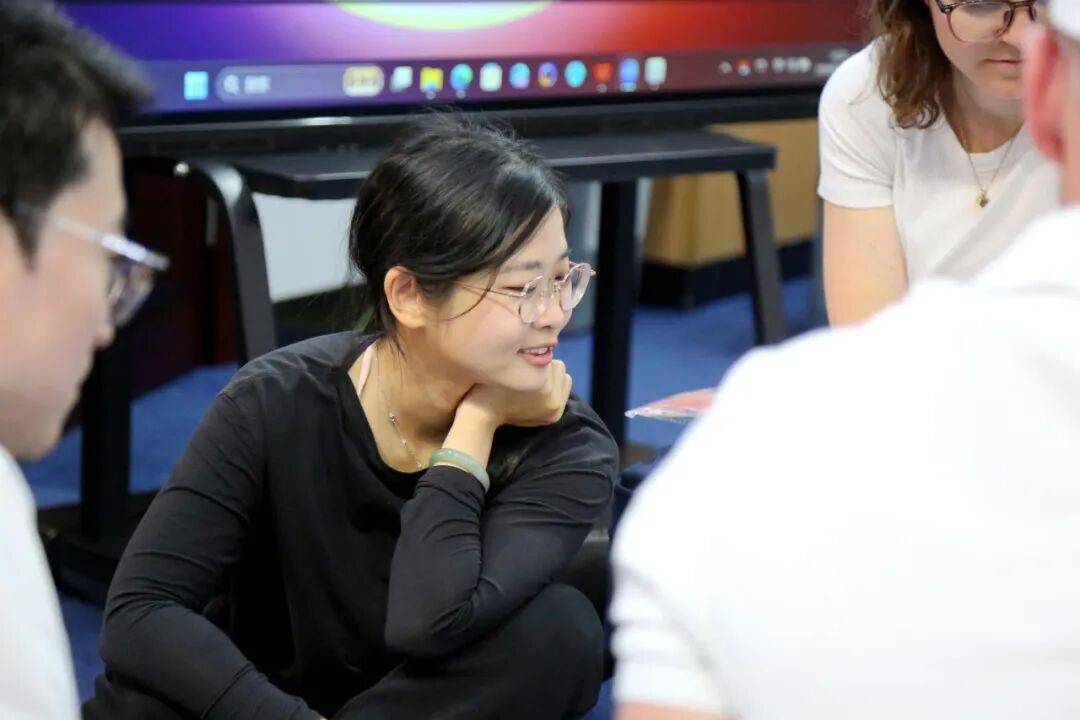
“今天120位中外教师坐在一起,不是为了‘学习文化差异’,而是为了‘看见彼此’。接下来的4个月,每月一个下午,我们将建立一种可以带回课堂的协作语言。”
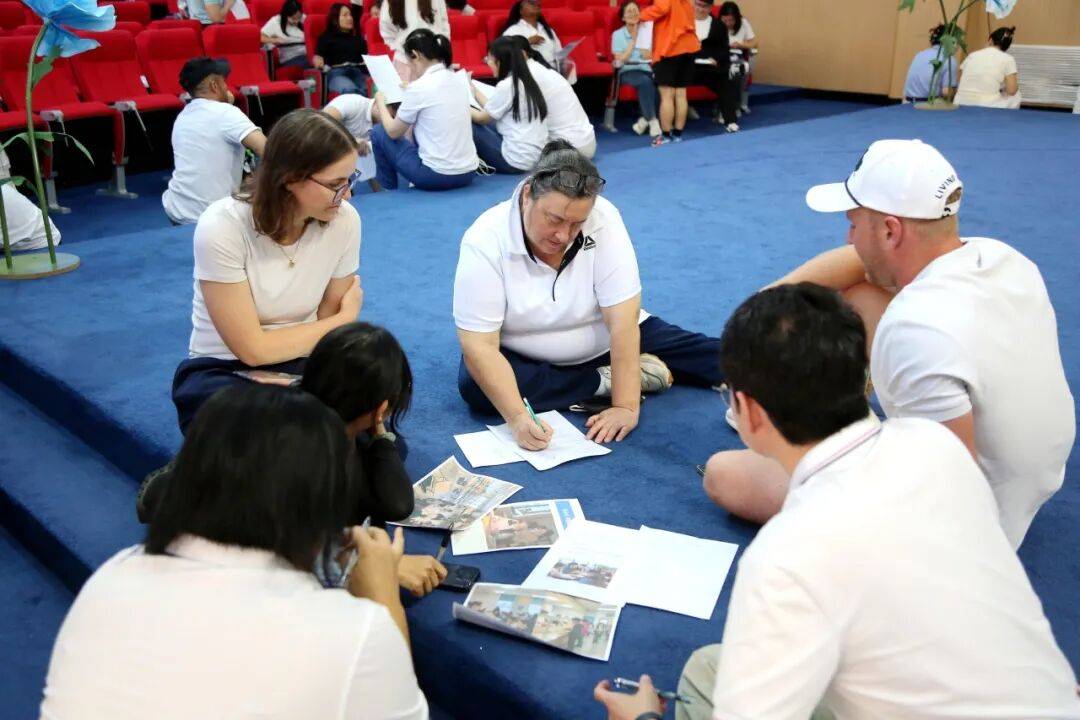
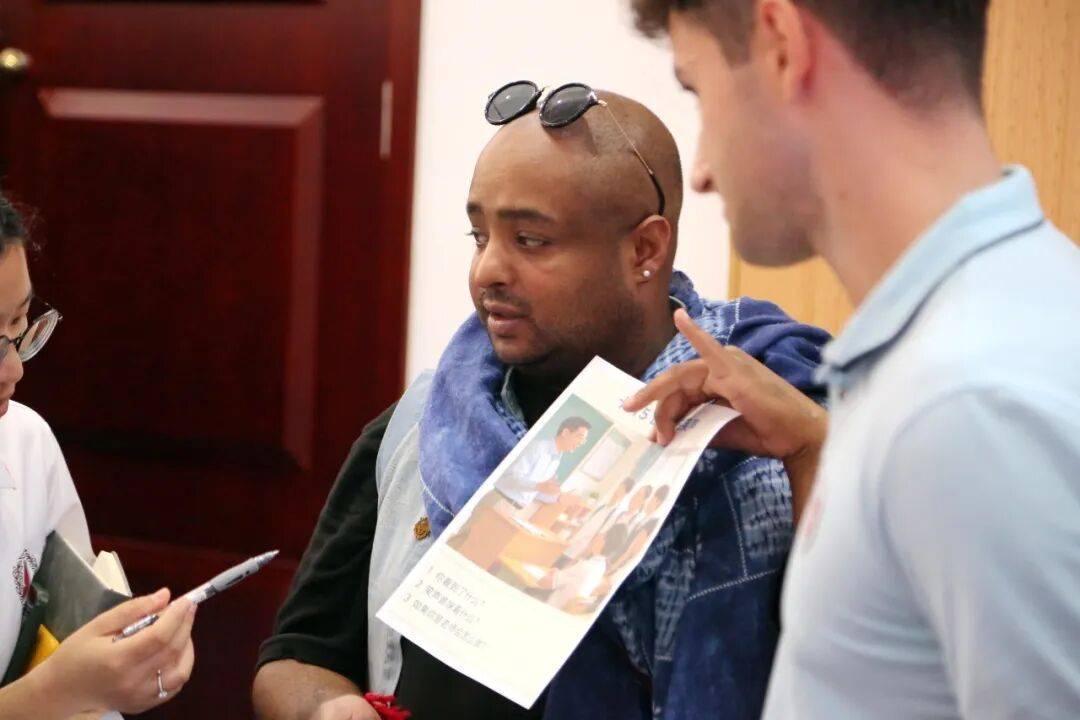
个人故事与图片案例的分享,让教师建立真实联结。面对课堂案例,先描述所见事实,再体会学习者可能的感受,并意识到画面之外仍有未知;进而思考若身处类似场景,会如何理解、回应和引导学生。这样的分享不为急于判断,而是让共情先于结论。
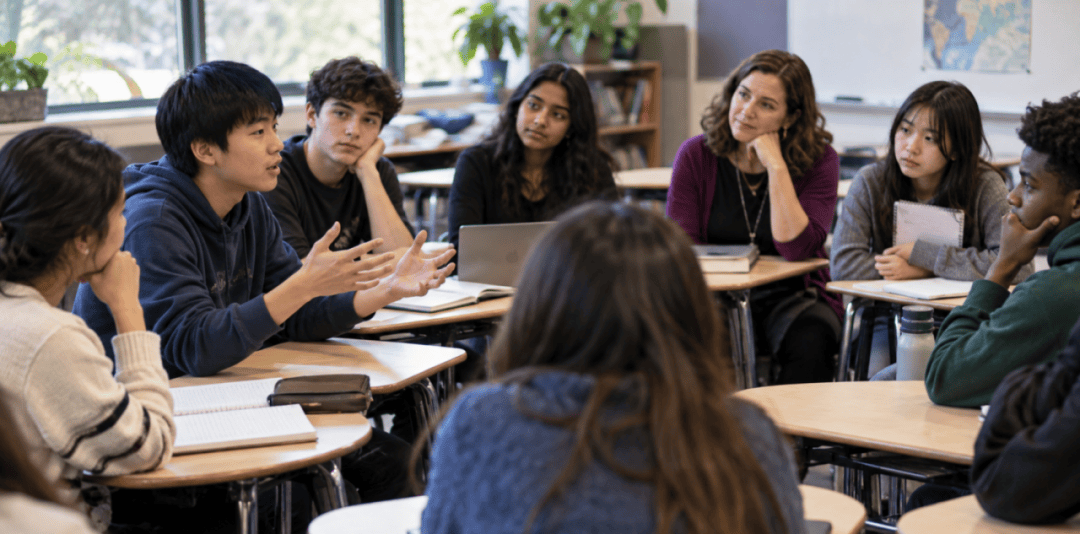
课堂案例参考图
中外教联合教研对学生的意义也在于此。中国教师理解外教为何鼓励学生先提问,外教理解中国教师为何重视课堂节奏与结构,他们回到同一名学生面前时,带来的就不再是两套割裂的逻辑,而是更连贯、安全、有支持性的学习环境。
学生感受到的,也不是中文课与英文课各有一套规矩,而是被教师以平等的方式看见和尊重。
Today, 120 Chinese and international teachers sit together — not to "study cultural differences," but to "see each other." Over the next four months, one afternoon each month, we will build a shared language of collaboration we can bring back to the classroom.
Sharing personal stories and visual case studies helps teachers build genuine connections. When examining a classroom case, first describe what is seen, then imagine what learners might feel, and recognize what remains unknown beyond the frame; then consider how one would understand, respond to, and guide students in a similar situation. The goal is not to rush to judgment, but to let empathy come before conclusions.
This is also what joint Chinese-foreign teaching research means for students. When Chinese teachers understand why foreign teachers encourage students to ask questions first, and foreign teachers understand why Chinese teachers value classroom rhythm and structure, they return to the same student not with two separate logics, but with a more coherent, safe, and supportive learning environment.
What students feel is not that Chinese and English classes each have their own rules, but that they are seen and respected consistently by the same group of adults.
Cognia课堂评价标准
从“经验教学”走向“证据教学”
Cognia Classroom Evaluation Standards
Part
02
从“经验教学”走向“证据教学”
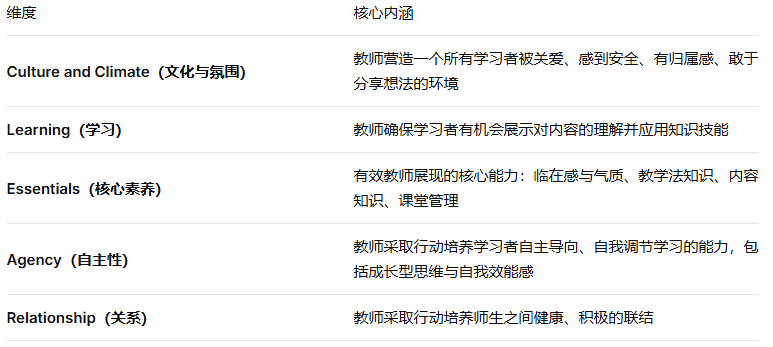
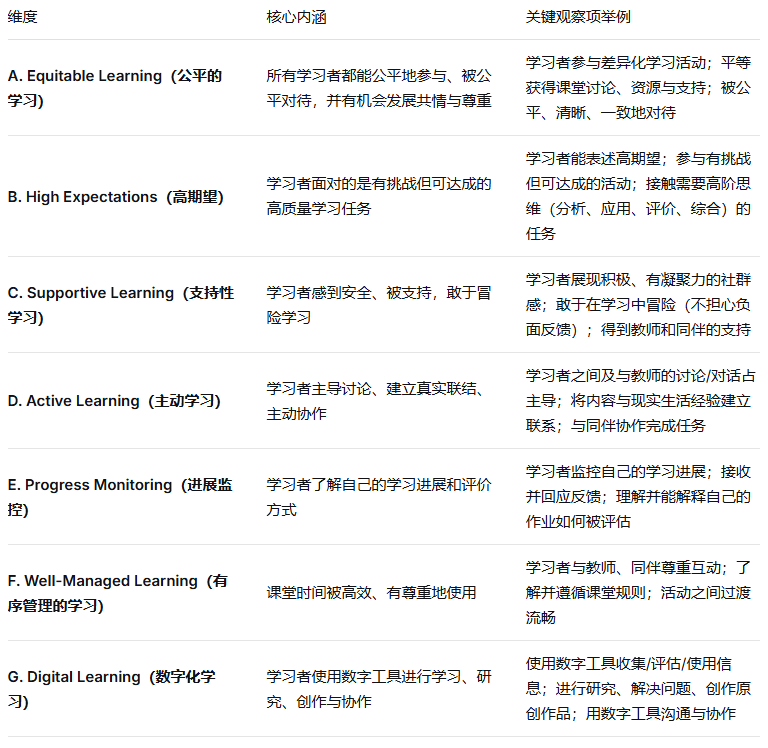
如果说破冰是“看见人”,那么Cognia标准解析就是“看见法”。 Cognia Teacher Observation Tool基于五个维度建构高效教学的评价框架:
From "teaching by experience" to "teaching by evidence."
If ice-breaking is about "seeing the person," then unpacking the Cognia standards is about "seeing the method." The Cognia Teacher Observation Tool builds a framework for effective teaching around five dimensions:
对教师能力的提升,意味着什么?
01 |从“我教了什么”转向“学生经历了什么”
Cognia标准的底层逻辑是学习者中心。明确指出“教学以高期望和学习者中心实践为特征”。教师不再问“我讲清楚了吗”,而是问“学生有机会展示理解了吗”。
02|从“课堂管理”转向“文化建构”
要求教师培育一种“展示尊重、公平、包容、无偏见的文化”。对每一位教师而言,这意味着课堂不仅是传递知识的场所,更是每一个学生被公平对待、被真正看见的地方。
03 |从“完成教学”转向“持续改进”
Cognia强调专业教职员工“系统性地实施、审查和调整课程与教学”。这不是一次性的评估,而是嵌入日常的反思循环。
04 |从“单打独斗”转向“协作性专业主义”
要求“专业教职员工拥抱有效的协作与协作文化以支持学习者”。中外教联合教研,正是这一标准最直接的落地方式。
What does it mean for teacher growth?
01 |From "what I taught" to "what students experienced"
The underlying logic of Cognia standards is learner-centered. It explicitly states that "teaching is characterized by high expectations and learner-centered practices." Teachers no longer ask, "Did I explain it clearly?" but rather, "Did students have the opportunity to demonstrate understanding?"
02|From "classroom management" to "cultural construction"
Teachers are called to cultivate a culture that "demonstrates respect, fairness, inclusion, and freedom from bias." For every teacher, this means the classroom is not just a place for passing on knowledge, but a place where every student is treated fairly and truly seen.
03 |From "finishing the lesson" to "continuous improvement"
Cognia emphasizes that professional staff "systematically implement, review, and adjust curriculum and instruction." This is not a one-time evaluation, but a reflective cycle embedded in daily practice.
04 |From "working alone" to "collaborative professionalism"
Faculty and staff are expected to embrace effective collaboration and a collaborative culture to support learners. Joint Chinese-foreign teaching research is the most direct way to put this standard into practice.

这对学生意味着什么?
Cognia的研究数据显示,在超过42,500次课堂观察中,“自主性”是得分最低的维度——不到57%的教师给予学习者关于学习活动或任务的选择权。这一数据揭示了一个关键问题:我们常常在“为”学生做决定,却忘了让学生“参与”决定。
力迈中外教联合教研借助Cognia标准这一共同语言,能够有意识地弥补这一短板。当中外教共同审视“自主性”维度时,他们会发现:无论文化背景如何,给予学生选择权、培养学生的自我调节能力,都是可以共同追求的课堂目标。
What does this mean for students?
Cognia research data shows that across more than 42,500 classroom observations, "autonomy" was the lowest-scoring dimension — fewer than 57% of teachers gave learners choice over learning activities or tasks. This reveals a key issue: we often make decisions "for" students, forgetting to let them "participate" in those decisions.
Limai's joint Chinese-foreign teaching research, using Cognia standards as a shared language, can consciously address this gap. When Chinese and foreign teachers examine the "autonomy" dimension together, they find that regardless of cultural background, giving students choice and developing their self-regulation are shared classroom goals worth pursuing together.

学科小组课堂案例分析
把标准“用起来”,把课堂“打开来”
Classroom Case Analysis
Part
03
标准如果只是纸面上的文字,
它将毫无意义。
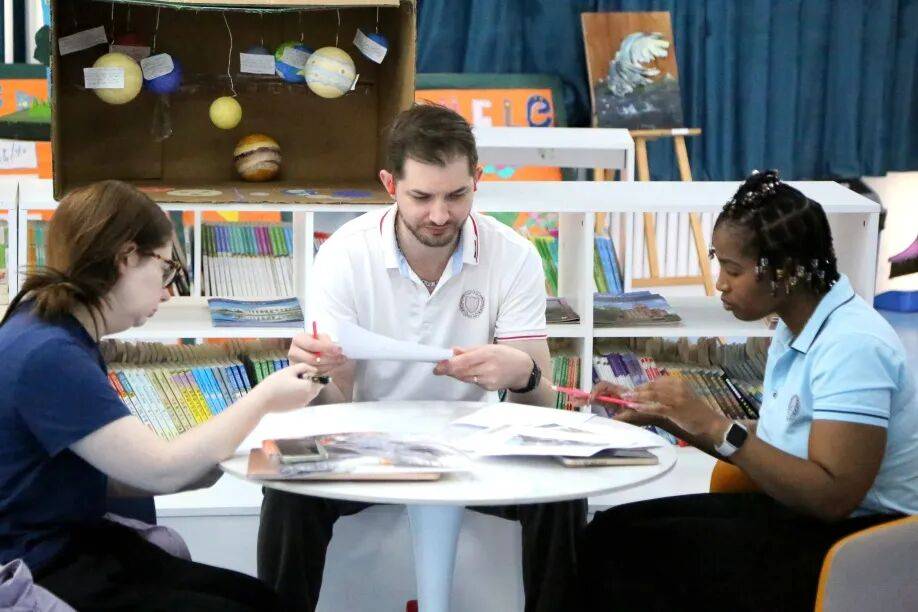
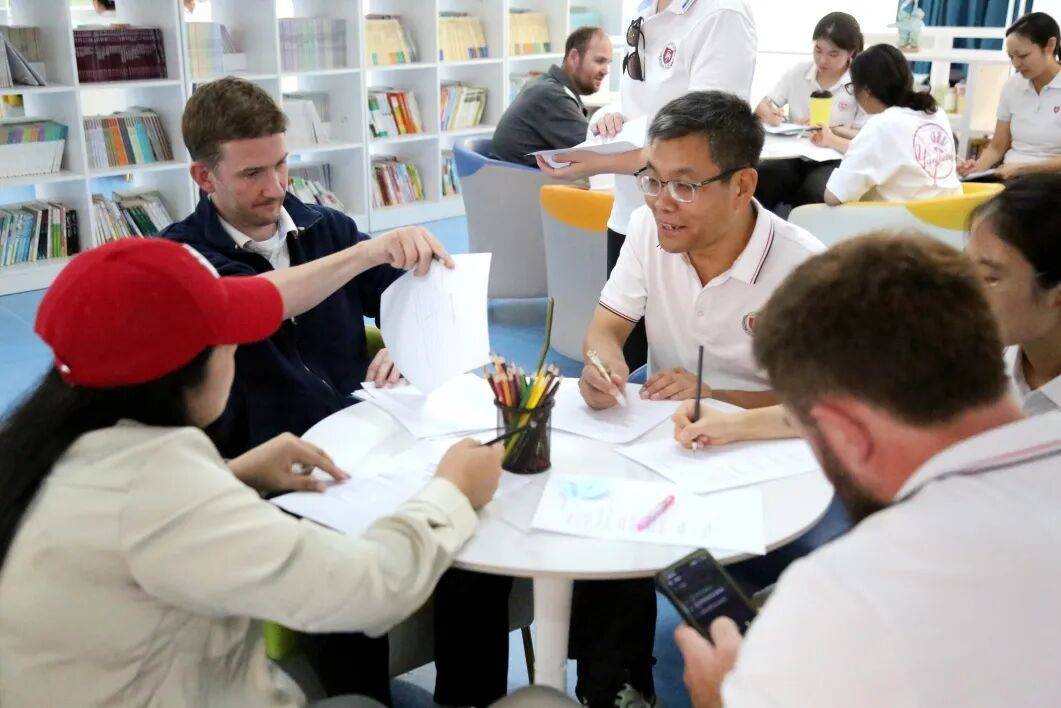
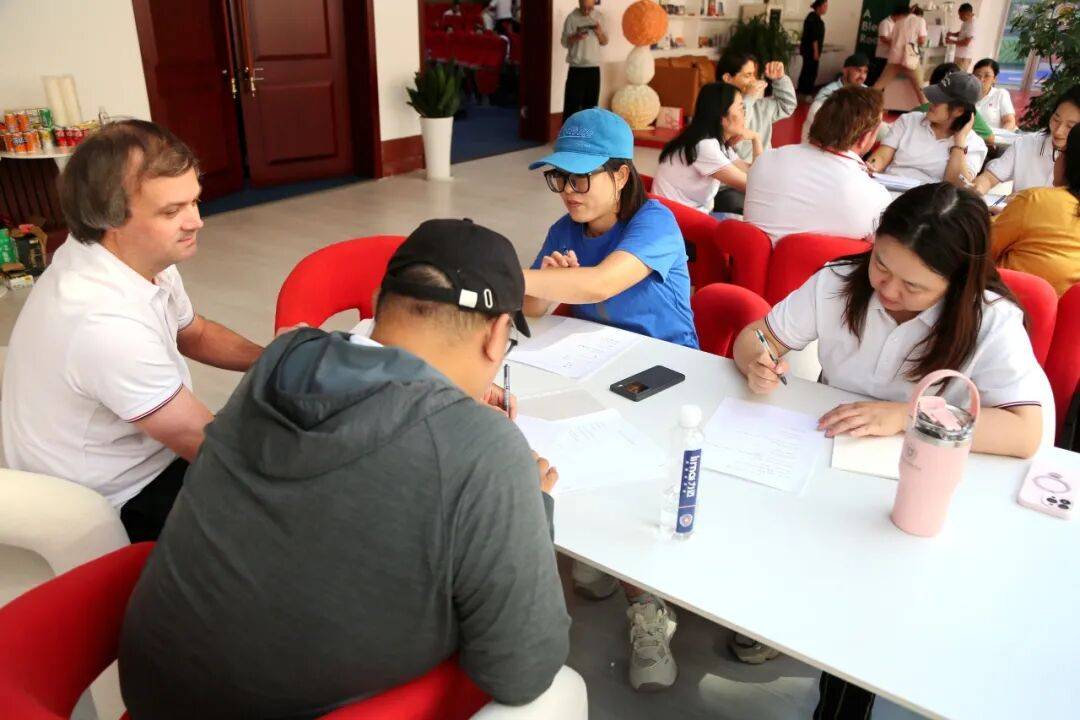
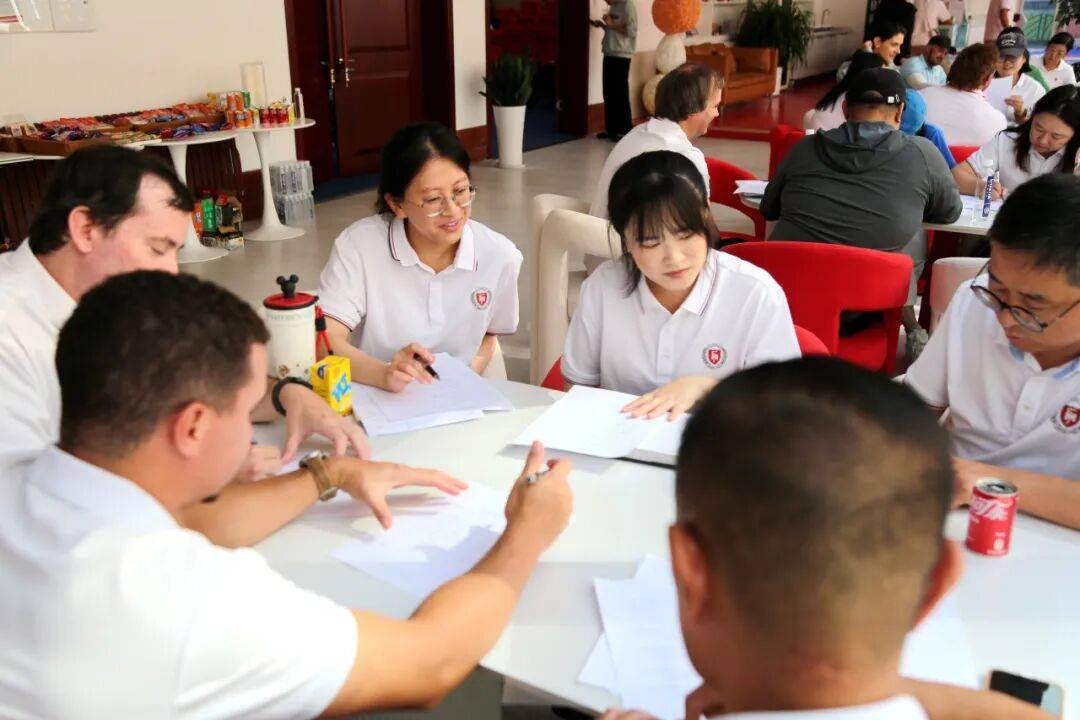
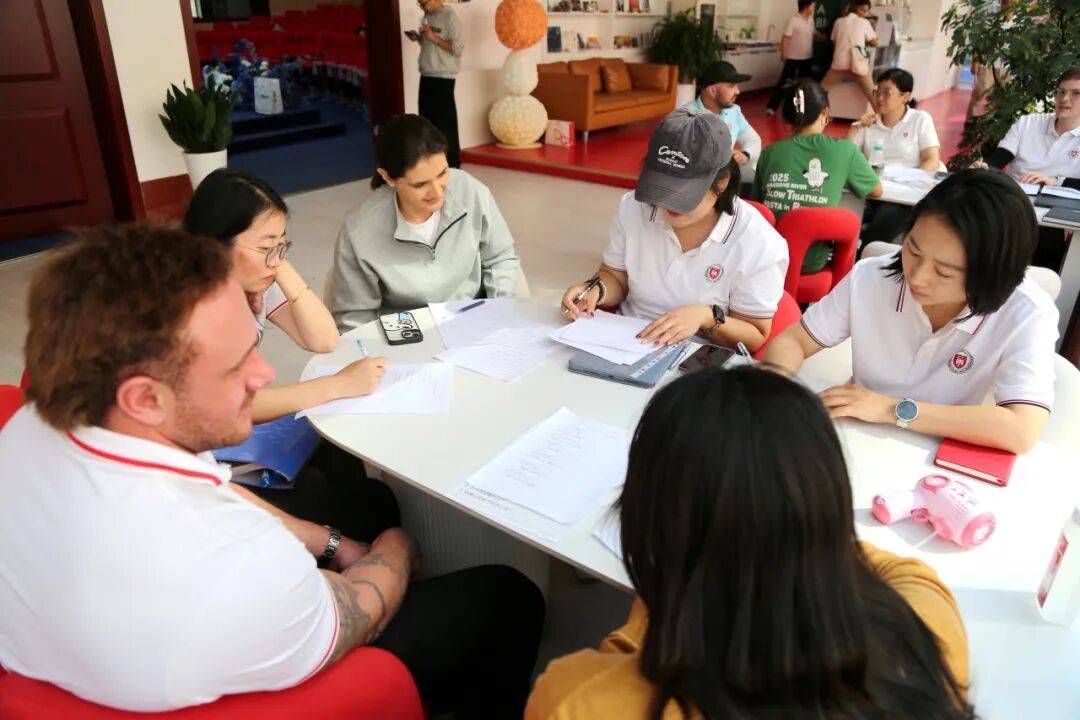
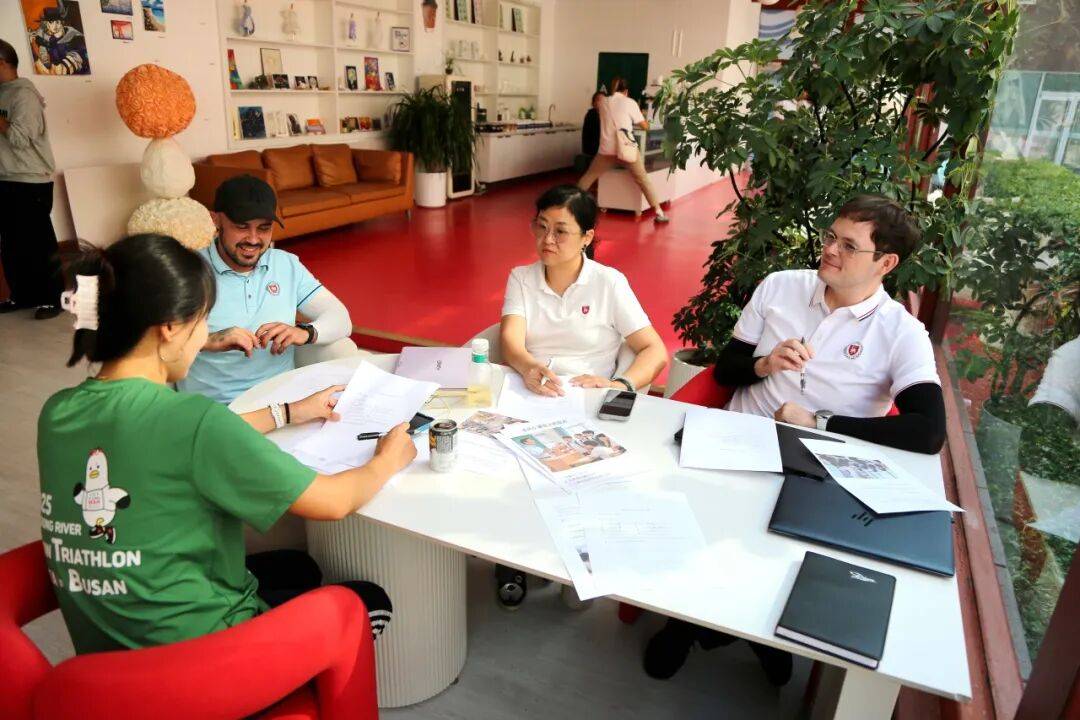
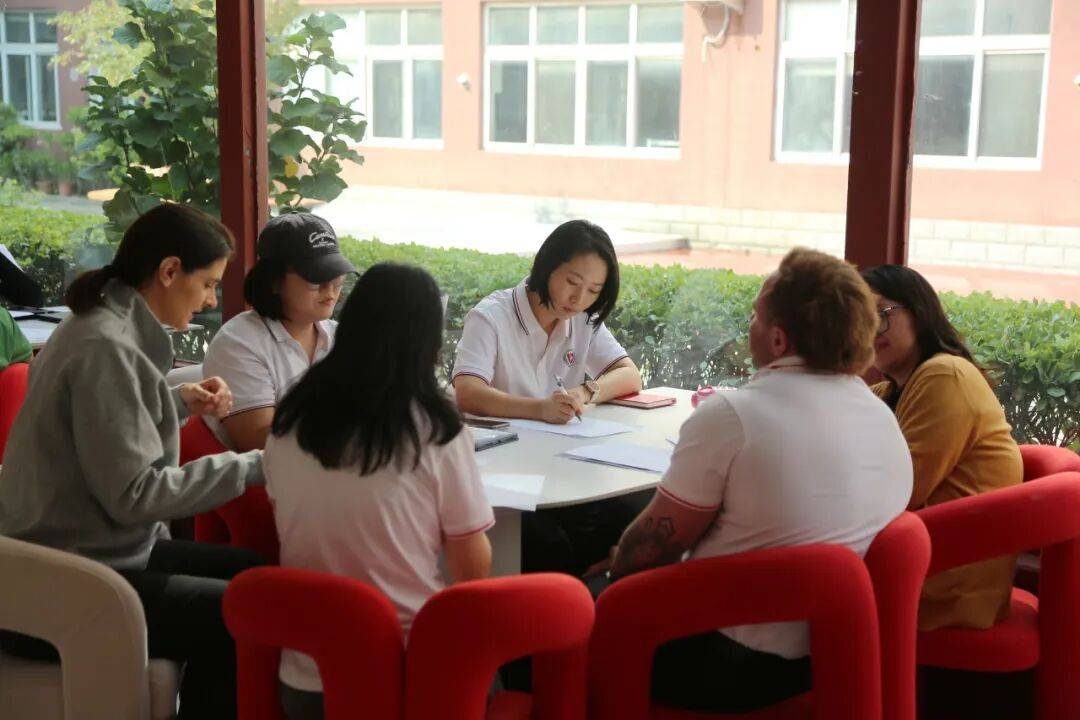
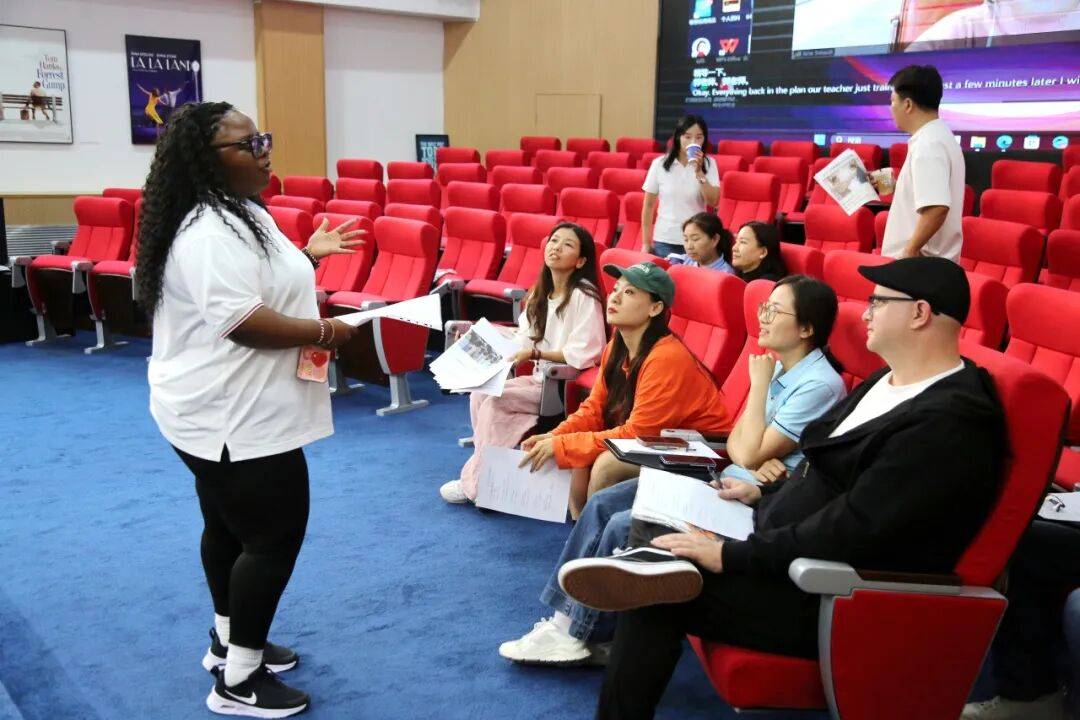
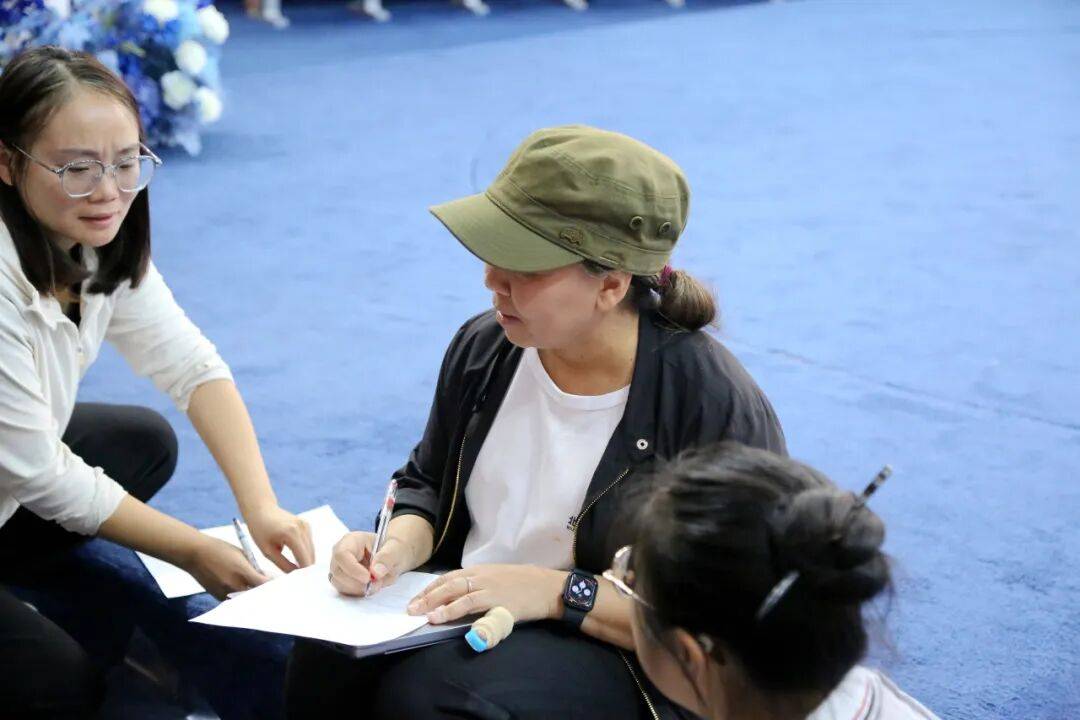
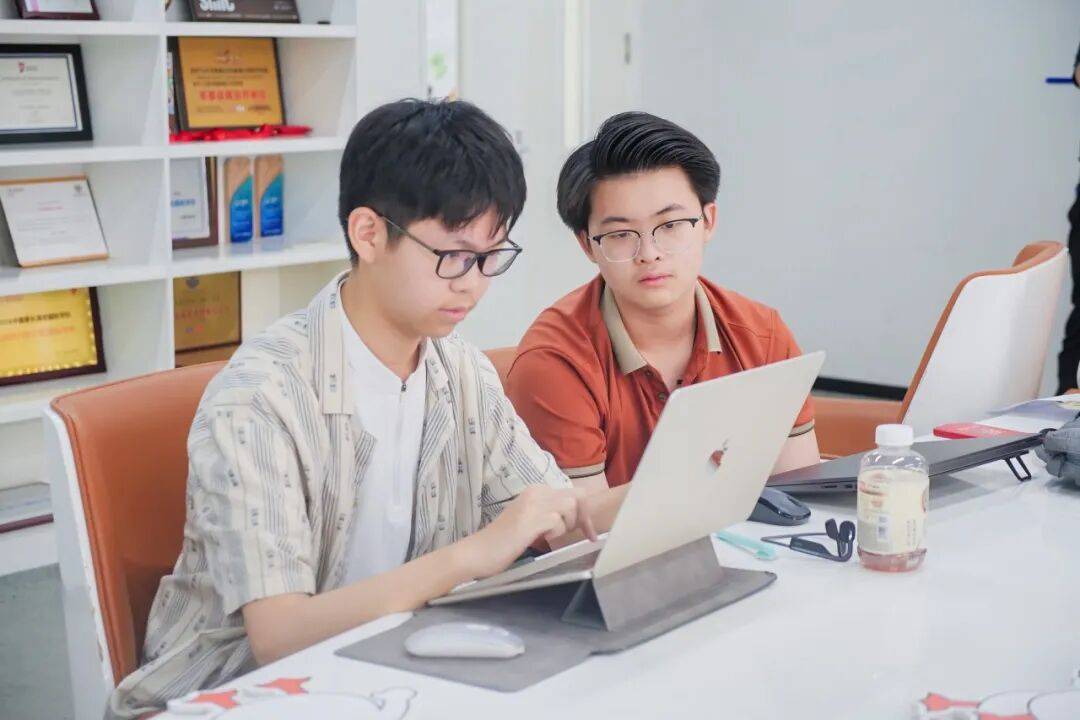
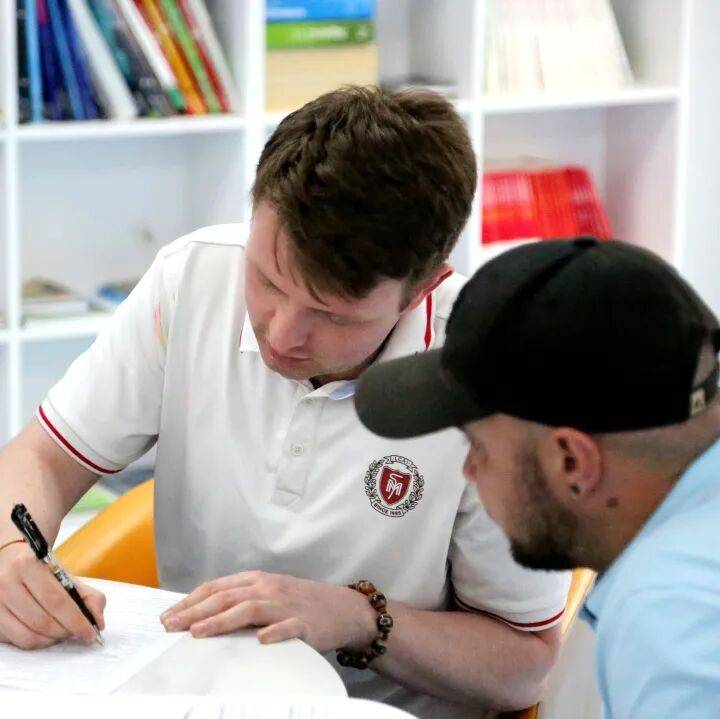
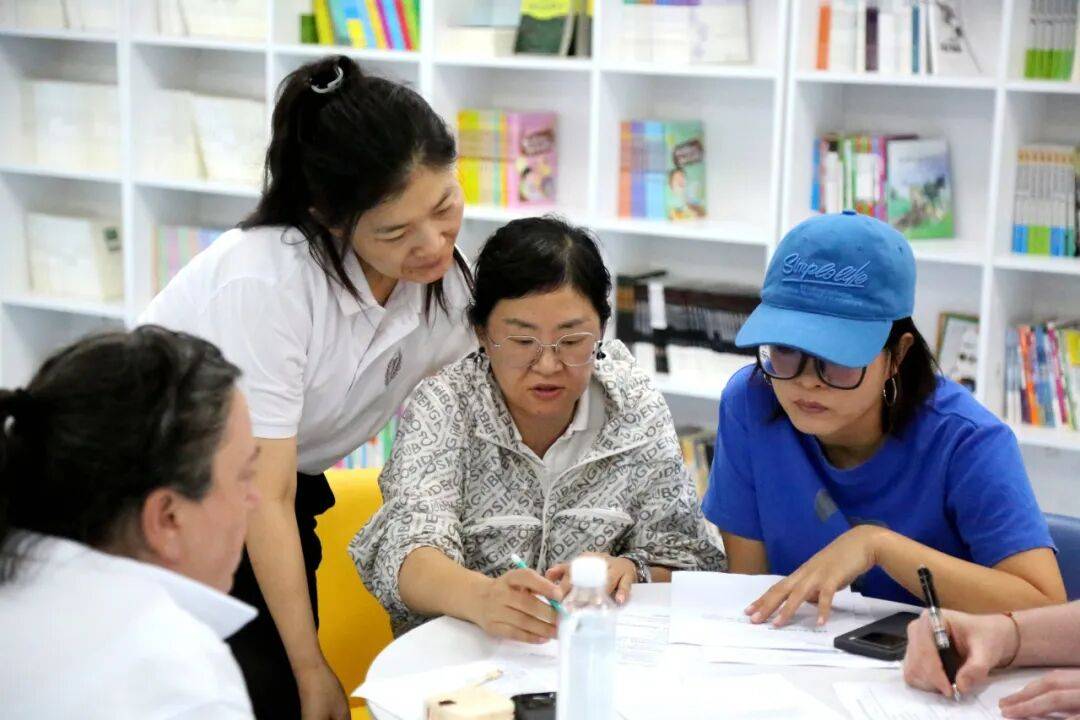
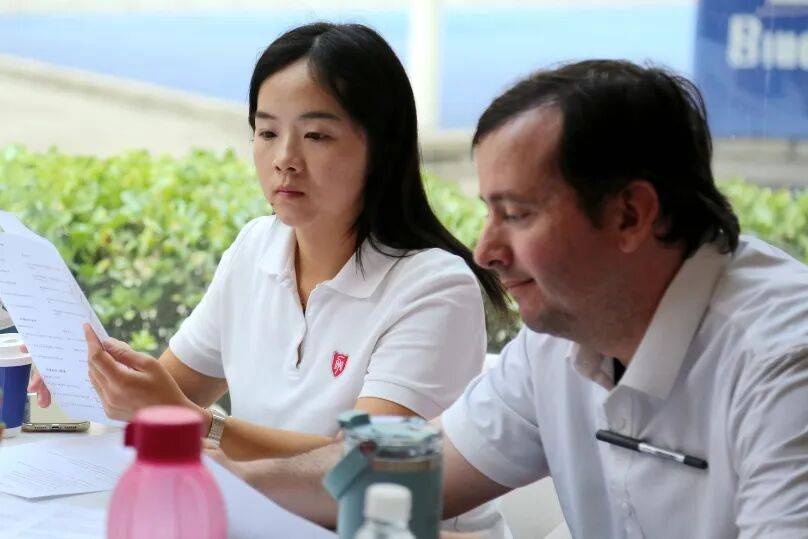
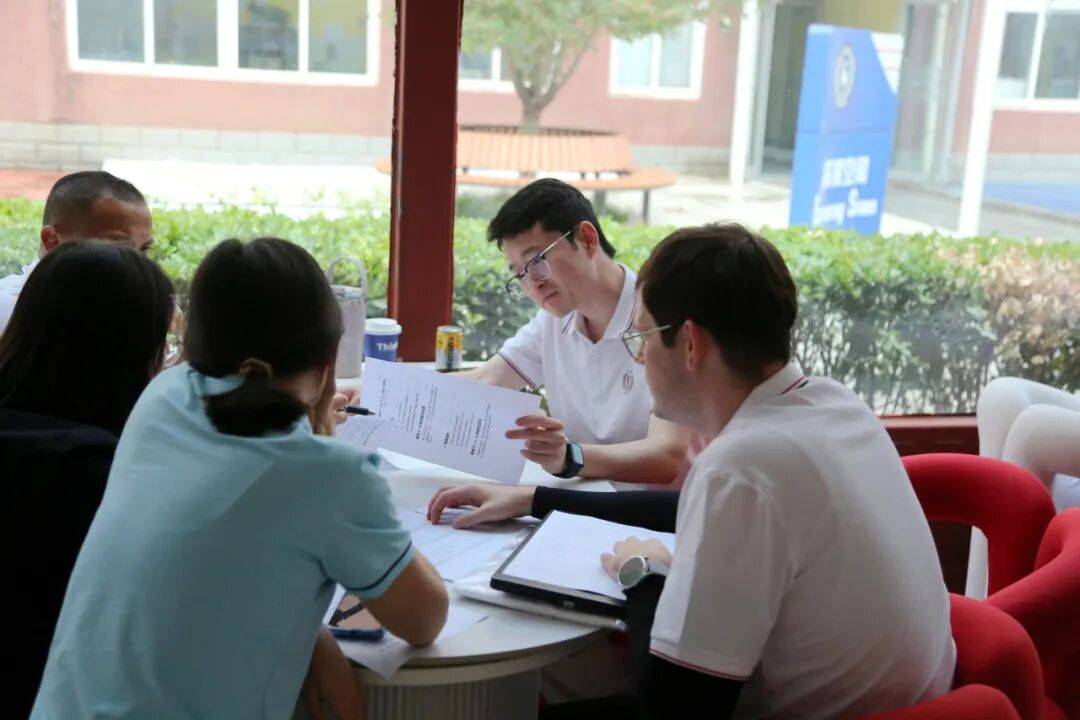
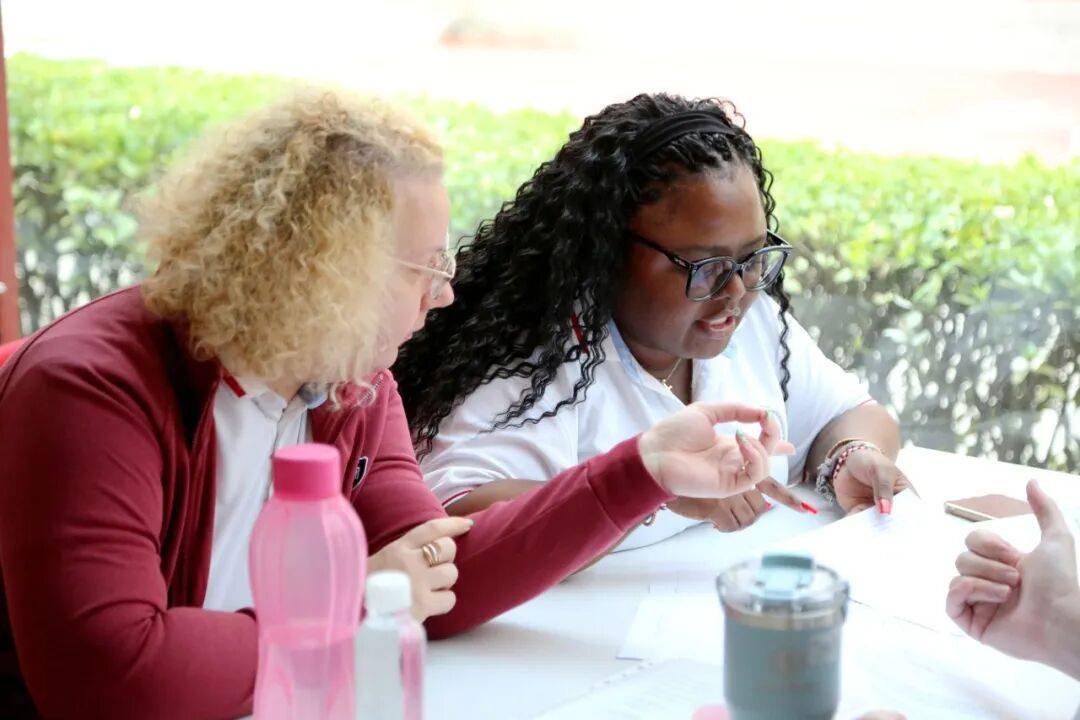
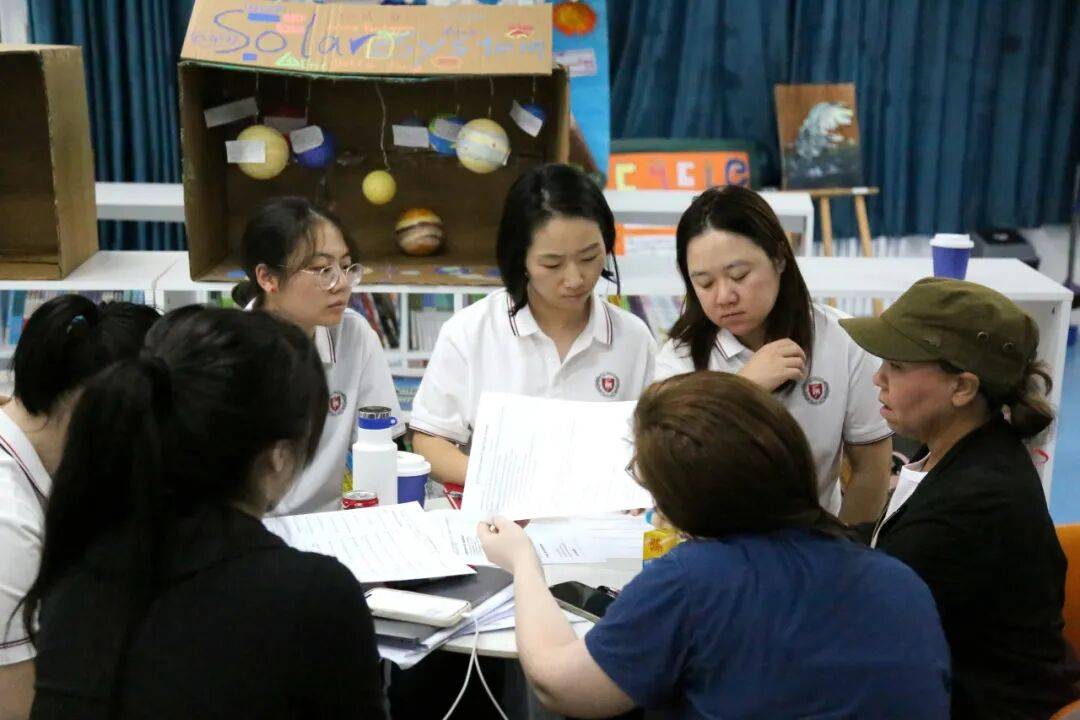
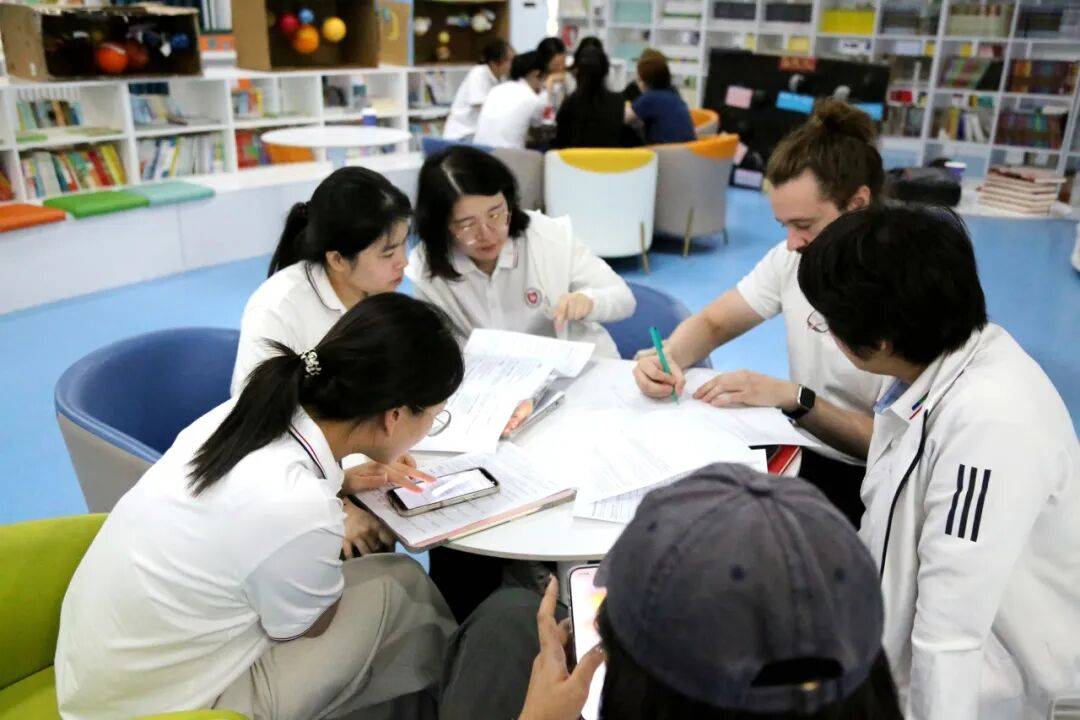
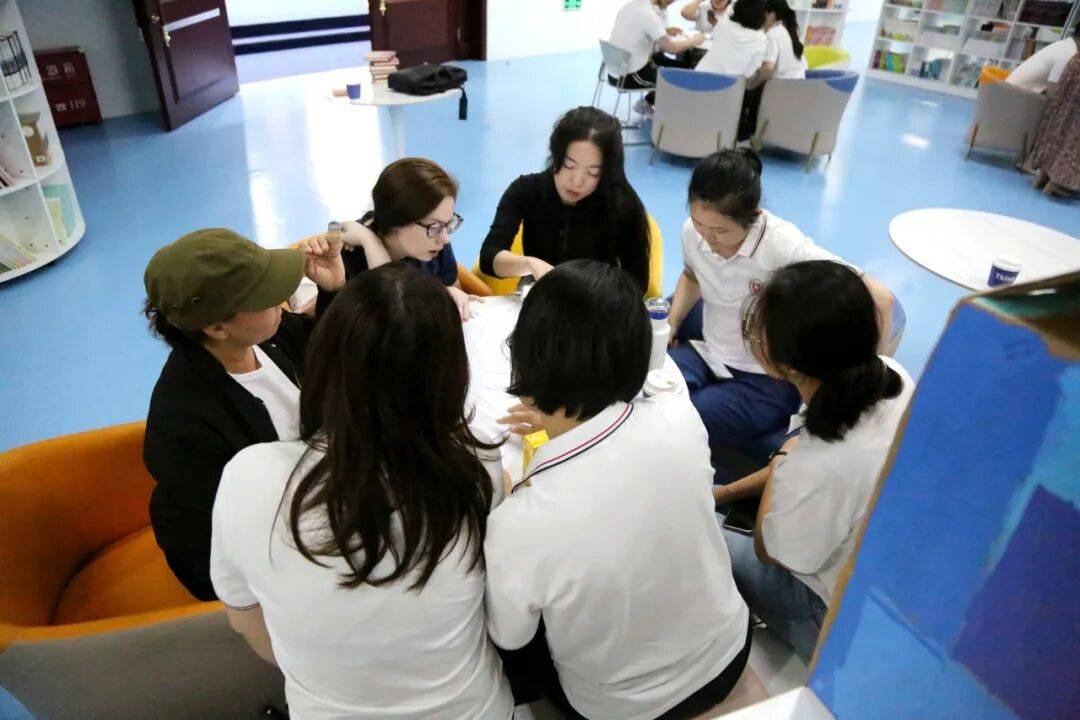
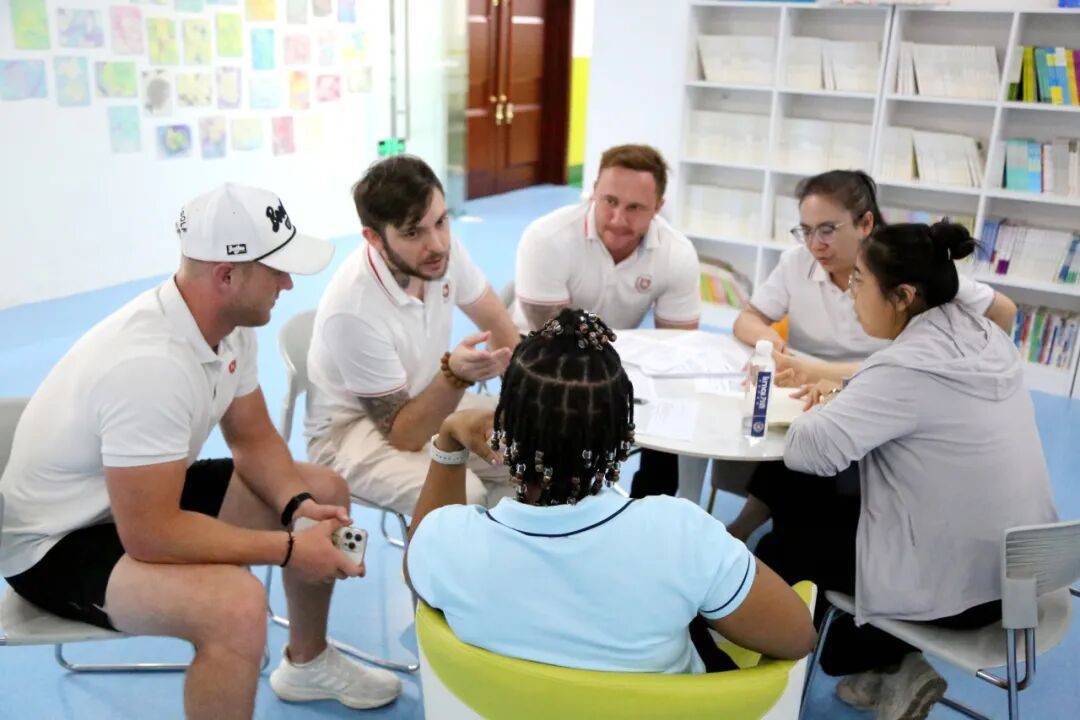
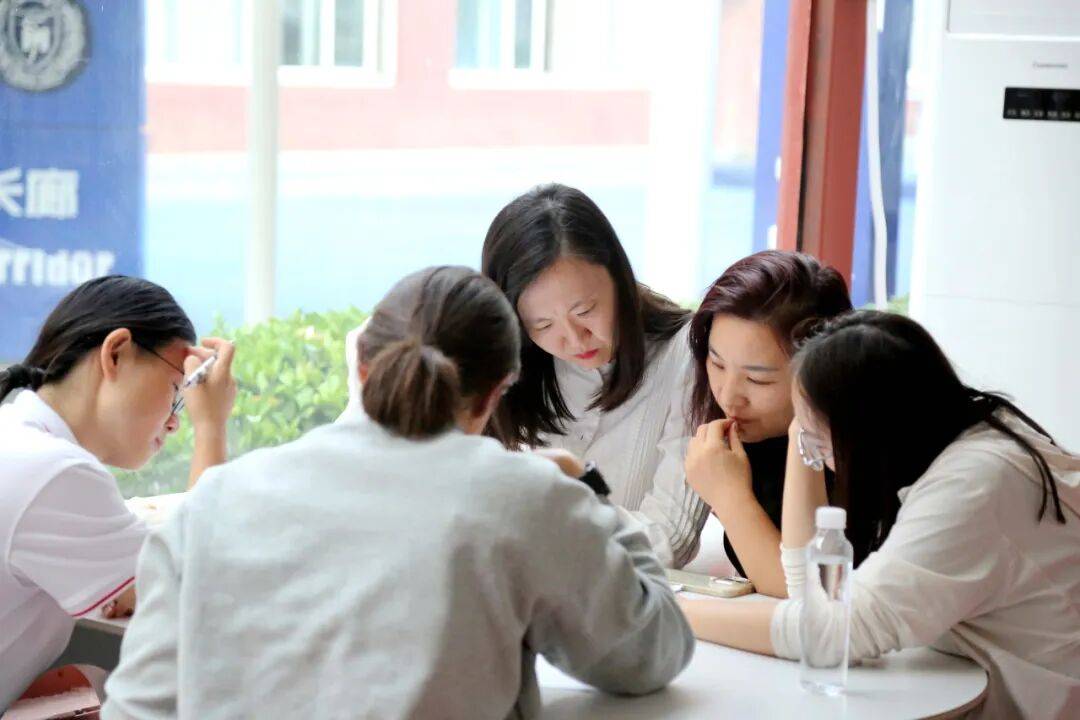
培训现场各学科小组以中外教混合编组的方式,选取一堂真实的课堂案例,用Cognia标准进行协作分析。
描述课堂事实
每位教师先独立记录课堂中观察到的事实——教师的动作、学生的反应、课堂的节奏、互动的模式。不评判,只描述。
对照标准定位
用Cognia五个维度的具体指标,定位这堂课在哪些维度上表现突出,在哪些维度上有提升空间。例如:
“文化与环境”维度:学生是否感到安全表达自己的想法?
“自主性”维度:学生是否有机会选择学习活动或任务?
“关系”维度:师生互动是否体现了尊重与关怀?
中外教视角对话
这是最关键的一步。同一位学生的表现,中国教师可能解读为“不够专注”,外教可能解读为“在用自己的方式思考”。同一种课堂活动,中国教师可能关注“效率”,外教可能关注“参与感”。
形成课堂改进共识
每个学科小组产出一份“课堂改进共识”——不是一套放之四海而皆准的模板,而是一组本学科、本年级、面向这群学生的具体行动。
Standards mean nothing if they stay on paper.
At the training, subject groups mixed Chinese and international teachers, selected a real classroom case, and analyzed it collaboratively using Cognia standards.
Describe classroom facts.
Each teacher first independently records the facts observed in the classroom — the teacher's actions, students' responses, the rhythm of the class, the patterns of interaction. No judgment, only description.
对照标准定位
Align against the standards.
Use the specific indicators of Cognia's five dimensions to identify where this lesson stands out and where there is room for growth. For example:
Culture & Environment: Do students feel safe expressing their ideas?
Autonomy: Do students have opportunities to choose learning activities or tasks?
Relationships: Does teacher-student interaction reflect respect and care?
Chinese-Foreign Teacher Dialogue
This is the most critical step. The same student's behavior may be read by a Chinese teacher as "not focused enough," while a foreign teacher may see it as "thinking in their own way." The same classroom activity may draw a Chinese teacher's attention to "efficiency," while a foreign teacher focuses on "engagement."
Build a shared consensus on classroom improvement.
Each subject group produces a "Classroom Improvement Consensus" — not a one-size-fits-all template, but a set of concrete actions tailored to this subject, this grade level, and these students.
这对学生的意义是什么?
当学科小组以这种方式协作分析课堂时,学生得到的不是一个“更统一的课堂”,而是一个更完整的课堂。中外教的视角差异不再是对立的来源,而是学生认知丰富性的来源。
一位学生在中文课上被鼓励“先独立思考再表达”,在英文课上被鼓励“在讨论中形成观点”——这两种体验不再矛盾,而是同一种学习能力的两个面向。而教师之间的协作,让学生不必在两种逻辑之间“选边站”,而是同时拥有两种逻辑的力量。
What does this mean for students?
When subject teams collaborate to analyze classrooms this way, students don't get a "more uniform classroom" — they get a more complete one. The differing perspectives of Chinese and foreign teachers are no longer a source of conflict, but a source of cognitive richness for students.
A student encouraged in Chinese class to "think independently before speaking" and in English class to "form opinions through discussion" — these two experiences are no longer contradictory, but two facets of the same learning ability. And when teachers collaborate, students don't have to "pick a side" between two logics — they gain the power of both.
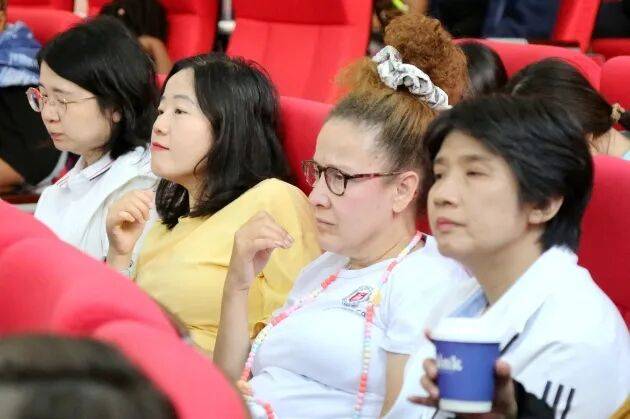
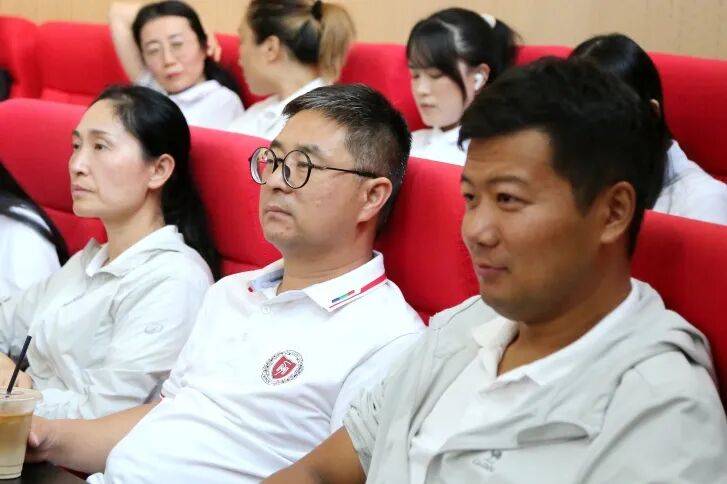
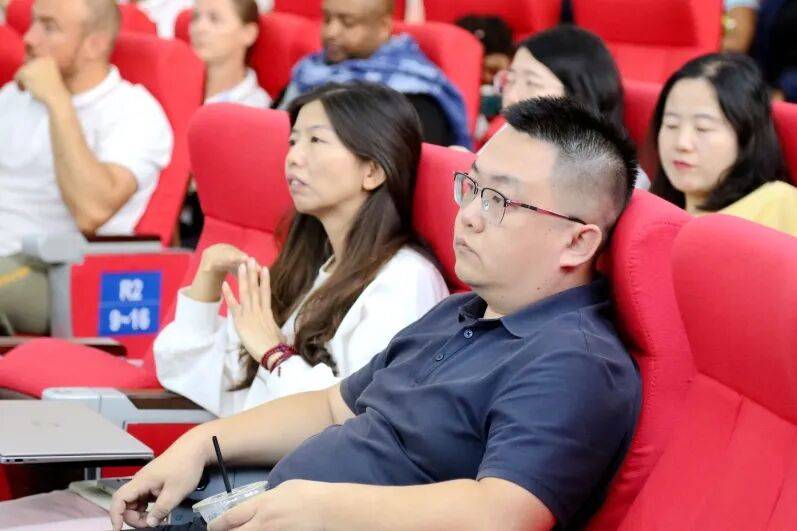
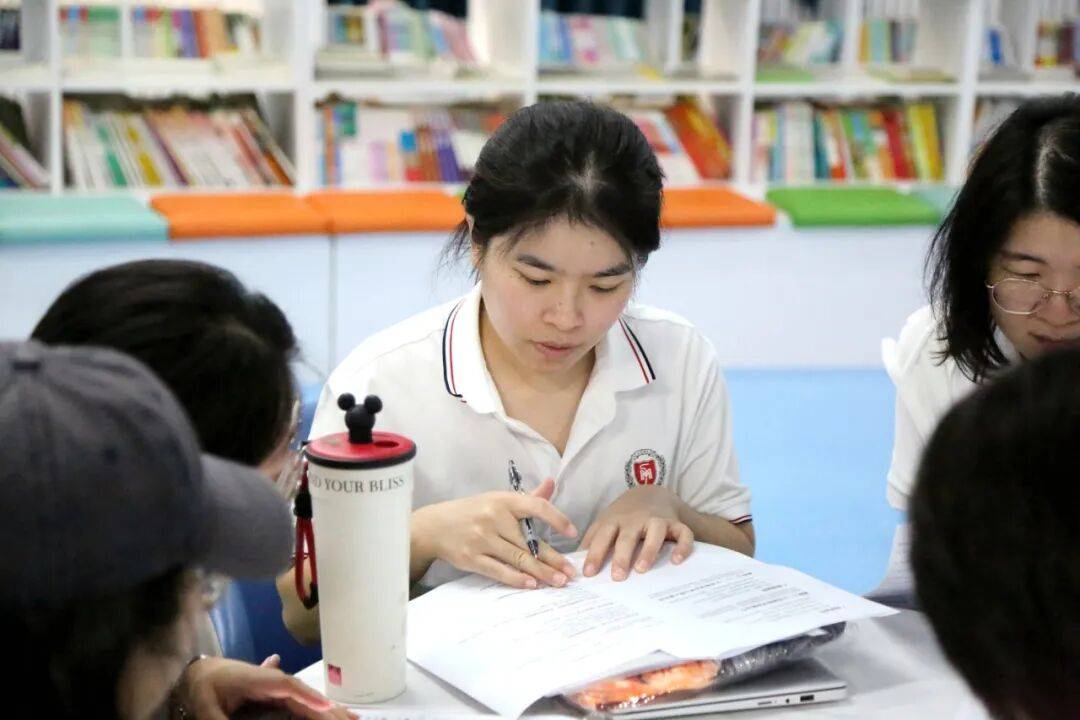
培训现场




赋能教师,就是赋能学生
国际化视野,不是“知道世界”
而是“看见彼此”
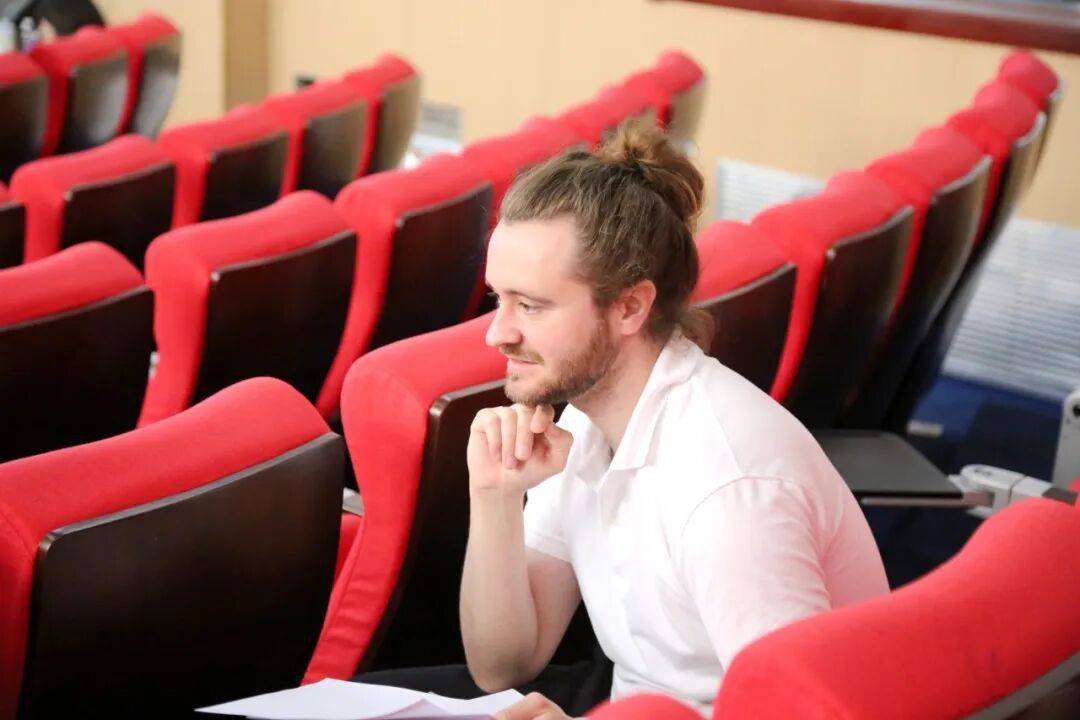
这次培训的核心,不是让教师“学会某种技巧”,而是让教师被看见、被重视、被赋能。
Cognia的研究发现,约78%的观察显示教师正在帮助学习者建立成长型思维和自我效能感。但同样重要的是,教师自己的成长型思维和自我效能感,同样需要被培育。当教师感受到自己的专业判断被尊重、自己的课堂被认真对待,他们更有可能把这种被尊重的体验传递给学生。
中外教联合教研的最大价值,不在于“统一了标准”,而在于建立了一种可以持续对话的框架。在这个框架里:
差异不被消灭,而是被理解
标准不被强加,而是被共同诠释
课堂不被评判,而是被一起“看见”
在国际学校里,教师的协作质量,决定了学生的跨文化体验质量,当教师被赋能,学生才会被真正赋能。
这次培训,只是一个开始。接下来的4个月,每月一个下午,18个小组,120位中外教师,将继续建立这种协作语言。
而最终,这种语言会走进每一间教室,走进每一个学生的日常。
因为教育最根本的使命,从来不是“教文化”,而是“看见人”。
本文转载自:国际教育在线,转载请保留原文链接。