脑洞大开!和大脑对话,做一名“准”脑科医生——青浦协和高中部“小小脑科医生”公益活动
大脑如何支撑我们学习、记忆与思考?关于未来的无限探索,又该从怎样一场奇妙体验启程?
How does our brain support learning, memory and thinking? Where shall we begin our boundless quest for the future?
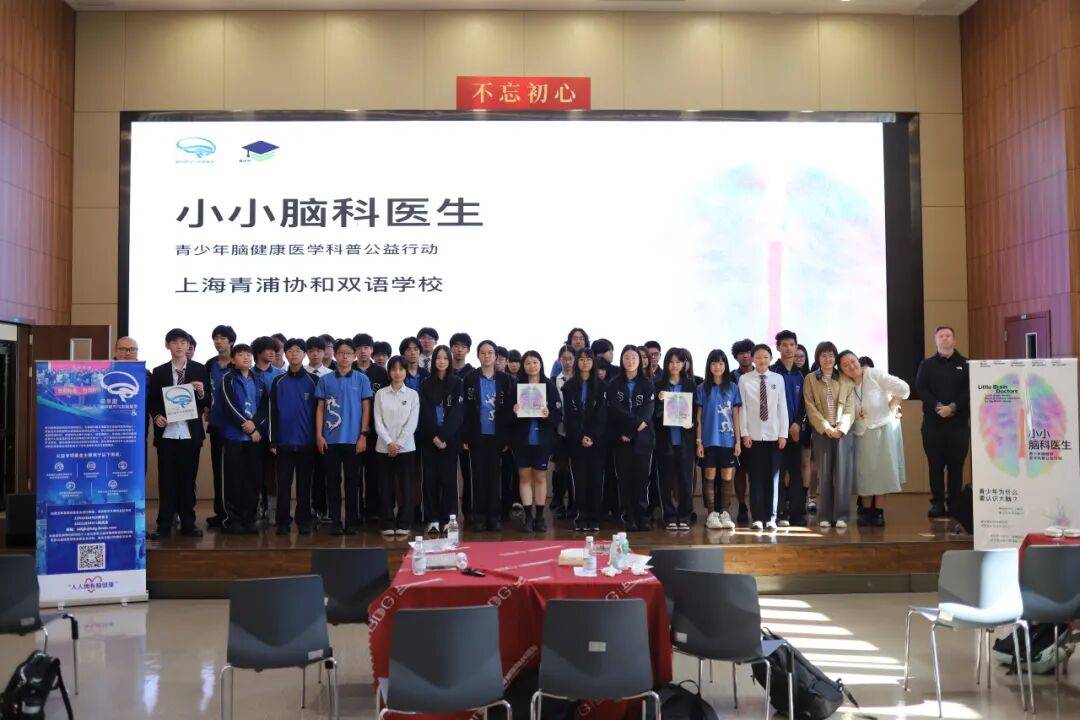
10月28日,青浦协和高中部40名 G9 &G12年级学子走进冬雷脑科医院,参与“小小脑科医生”公益科普活动。
On October 28, forty Grade 9 and Grade 12 students from SUIS Qingpu’s High School visited Donglei Brain Hospital to take part in the public welfare science popular activity, “Little Neurosurgeon”.
本次活动由上海交通大学教育发展基金会 “宋冬雷脑科研究与发展基金” 发起。医院实地参访、专业脑科学讲座、脑电设备体验、职业方向探索依次展开。同学们把平日里学习中的困惑带入真实临床场景,在观察与亲手体验中读懂大脑,也在沉浸式探索里,慢慢看见自身热爱与未来的可能性。
Initiated by the “Song Donglei Neurosurgery Research & Development Fund” under the Shanghai Jiaotong University Education Development Foundation, the event featured an on-site hospital tour, expert lectures on brain science, EEG device hands-on experience, and career path exploration. Bringing real life puzzles from their studies into a clinical setting, students gained insights into the human brain through observation and hands on practice. This immersive journey helped them discover their passions and envision future possibilities.
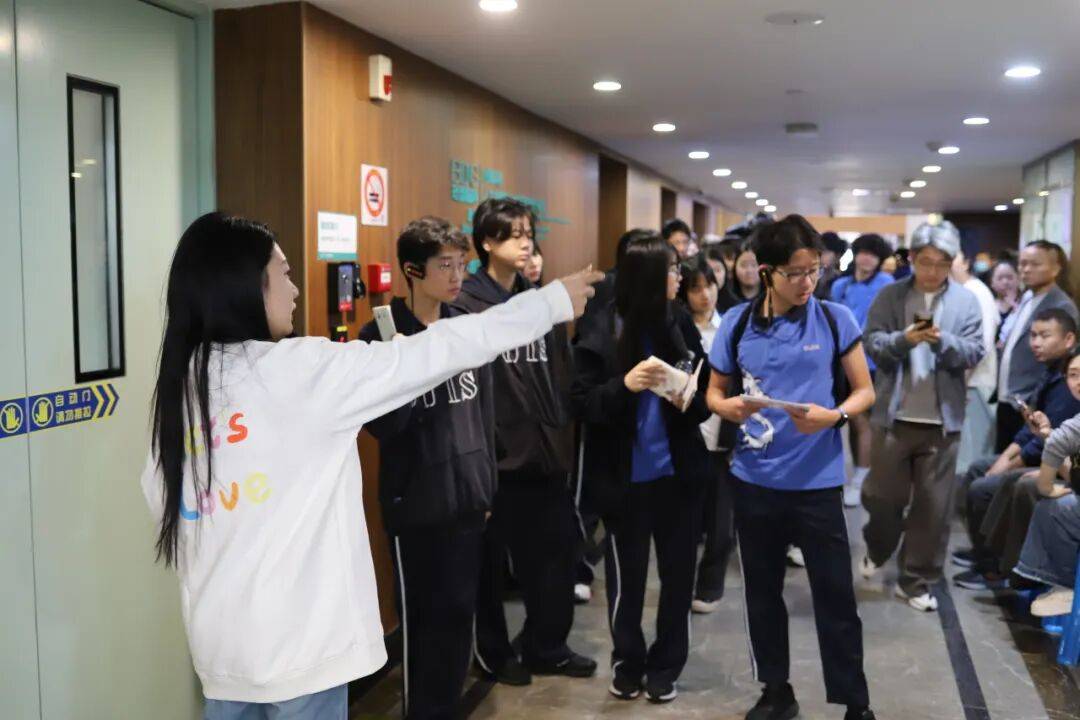
医院里的仪器如何帮助医生探查大脑?课本上的生物学知识,在真实临床场景中如何落地应用?
How do hospital instruments help physicians examine the brain? How does textbook biological knowledge translate into realworld clinical practice?
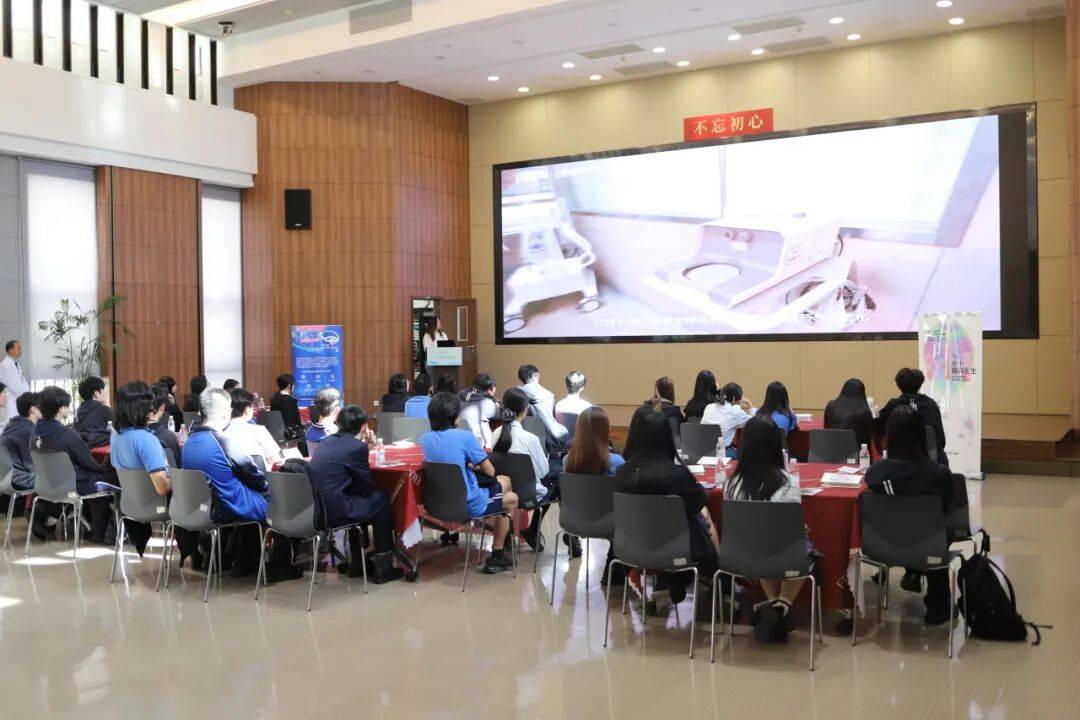
带着满满的疑问,同学们依次参观诊疗区域,认识各类脑科检查设备,通过手术室纪实视频,近距离了解脑科医生的日常工作。人体解剖结构、医学影像、临床判断不再只是书本上的文字,在真实场景里形成完整的逻辑链条。
Armed with curiosity, students toured clinical departments and learned about various neurological examination equipment. Through documentary footage of operatingroom procedures, the students got a closeup look at what neurosurgeons do on a daytoday basis. Human anatomical structures, medical imaging and clinical judgment were no longer mere words in textbooks, but formed coherent logical chains within authentic medical contexts.
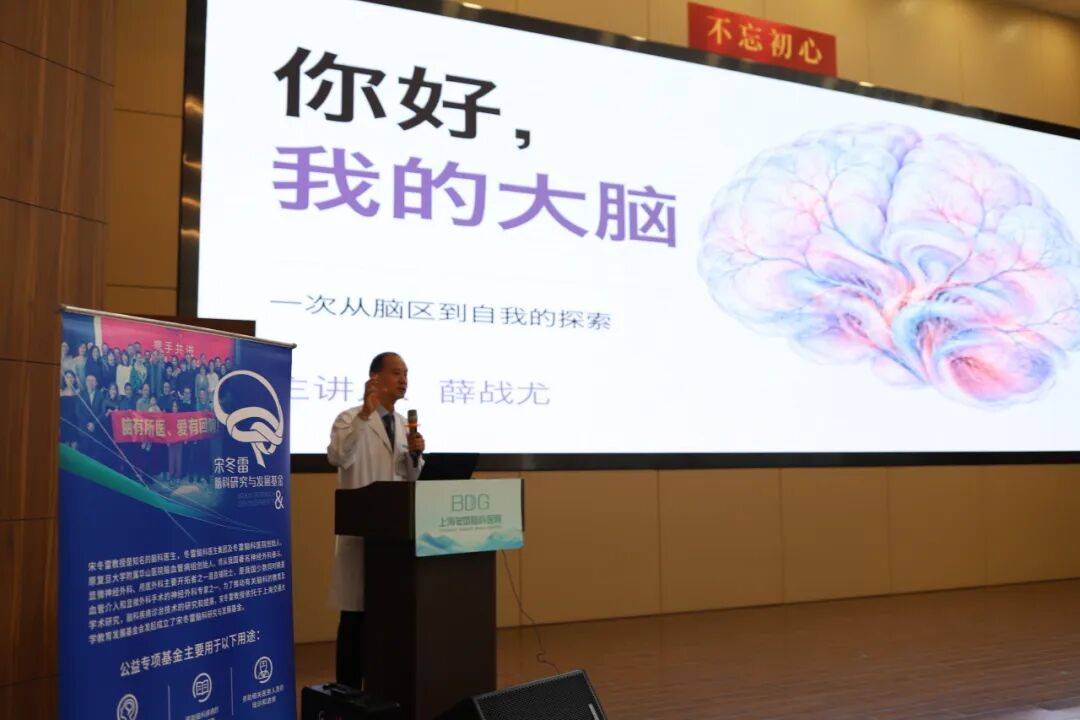
随后,冬雷脑科医院神经内科薛战尤主任带来主题分享《你好,我的大脑》。薛主任深耕神经内科临床,在睡眠障碍、认知障碍、脑健康管理领域拥有丰富经验。他跳出晦涩的专业术语,把脑科学和大家熟悉的睡眠、记忆、情绪、学习紧密结合,带领大家层层认识大脑。
Dr. Zhanyou Xue, Chief Physician from the Department of Neurology at Donglei Brain Hospital, delivered a keynote speech titled Hello, My Brain. With rich clinical experience in sleep disorders, cognitive impairment and brainhealth management, Dr. Xue avoided overly technical jargon. He linked neuroscience to familiar topics including sleep, memory, emotions and learning, guiding students through the complex workings of the brain.
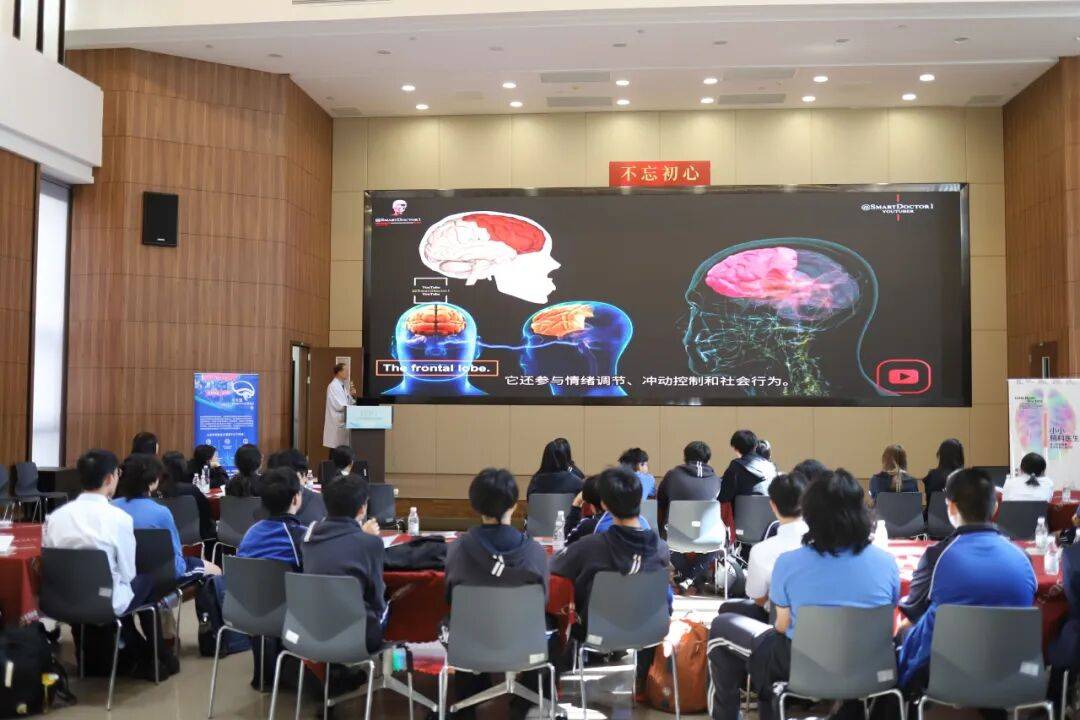
从大脑、小脑、脑干,到分管感知、记忆、情绪的不同脑区,讲座清晰梳理了各区域的分工与协作。我们完成一次思考、留存一段记忆,从来不是单一脑区独立工作,而是多个脑区协同运转的结果。
The lecture illustrated the division and collaboration among the cerebrum, cerebellum, brainstem and different functional brain regions responsible for sensation, memory and emotion. A single thought or memory is never the work of one isolated brain area, but the outcome of coordinated activity across multiple regions.
脑电设备体验,则打开了观察大脑的全新视角。借助仪器演示与讲解,同学们了解到如何捕捉、记录大脑电信号,看见那些肉眼无法直接观测的大脑活动。
The handson EEG demonstration offered a brandnew window into brain activity. Through equipment demonstrations and explanations, students learned how brainwave signals are captured and recorded, visualizing neural activity invisible to the naked eye.
认识大脑结构之后,基金会宋老师围绕网状激活系统(RAS)、镜像神经元系统、神经可塑性三大核心概念,拆解 “学习究竟是如何发生的”。
After exploring brain anatomy, Ms. Song from the Foundation unpacked how learning actually happens, focusing on three key concepts: the Reticular Activating System (RAS), the mirrorneuron system, and neuroplasticity.
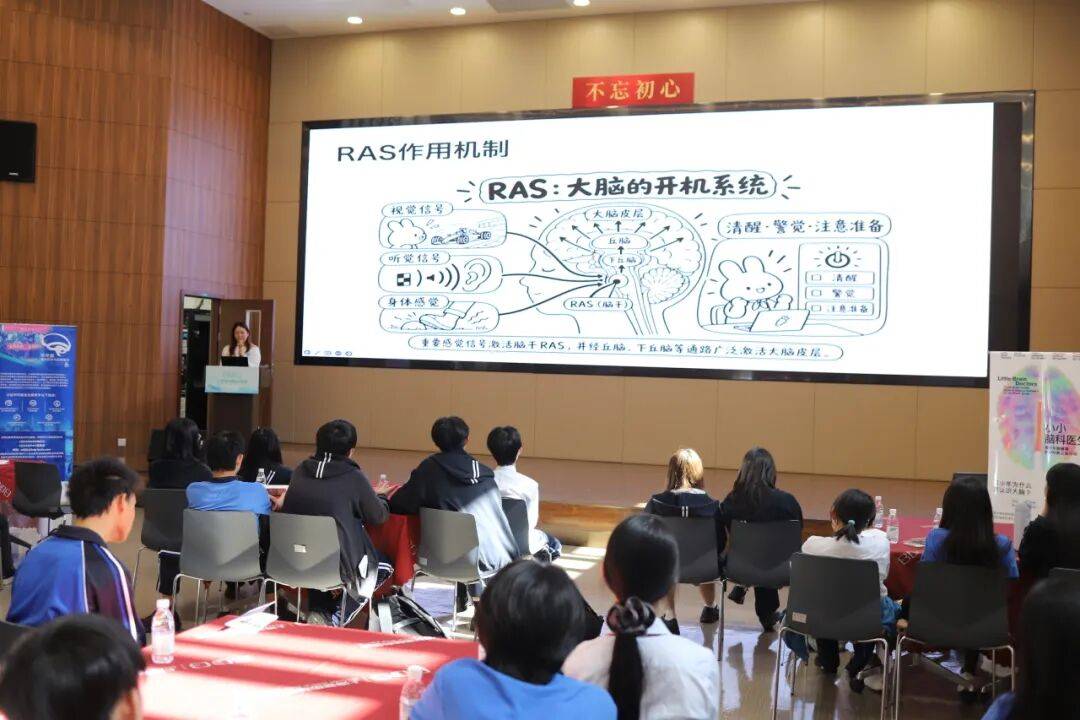
网状激活系统负责维持人的清醒与注意力。结合注意力和目标的关联,宋老师引导同学们思考:当我们真正关注某一门学科、某一个方向时,会自动捕捉哪些信息?一个清晰的问题,本身就是搜集信息、观察现象、规划行动的起点。
The Reticular Activating System regulates wakefulness and attention. Connecting attention to goals, Ms. Song prompted students to reflect: what information do we automatically pick up when we genuinely focus on a subject or a field? Formulating clear questions itself marks the starting point for gathering information, observing phenomena and planning actions.
镜像神经元系统,解释了模仿、观察在学习中的价值。学习弹琴、运动,往往从观察示范开始,再拆解动作、反复实操、接收反馈,逐步精进。同理,向专业人士学习时,也可以留意他们分析问题、推理判断、解决难题的思路,再尝试独立完成任务。
The mirrorneuron system explains the power of observation and imitation in learning. When learning to play an instrument or master a sport, we start by watching demonstrations, break down movements, practice repeatedly and adjust based on feedback to make progress. Likewise, when learning from experts, we may observe their thought processes for analyzing problems, reasoning and solving challenges before attempting tasks independently.
而神经可塑性,也就是大脑的神经重塑能力,告诉大家终身学习的意义:大脑会随着持续学习与经验积累不断改变。高效的练习离不开及时反馈,在试错中调整方法、反复实践,能力才能稳步提升。
Neuroplasticity — the brain’s capacity for neural rewiring — underscores the value of lifelong learning: our brain keeps changing with ongoing learning and accumulated experience. Effective practice hinges on timely feedback. Only by adjusting approaches through trial and error and persistent practice can we steadily improve our capabilities.
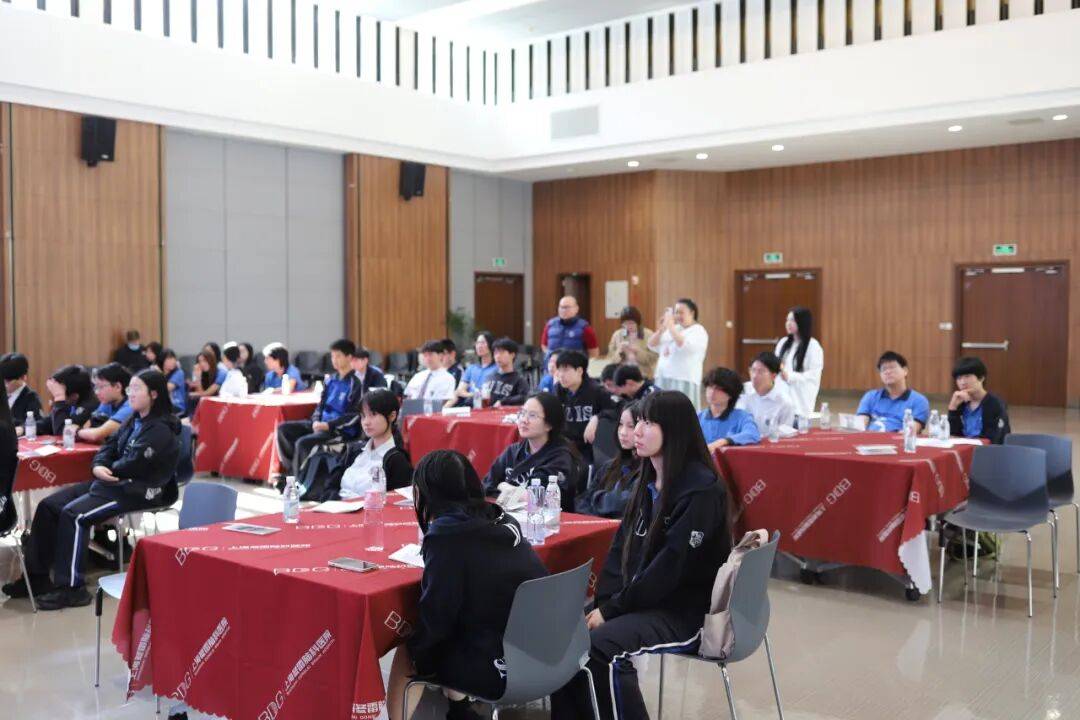
所有理论最终落脚到可落地的学习策略:把宏大目标拆解成一个个具体任务,依靠行动与反馈,持续迭代、稳步向前。
All these theories translate into practical learning strategies: break down big goals into concrete small tasks, iterate continuously through action and feedback, and move forward stepbystep.
对于有志深耕生命科学的同学,活动同步介绍了 Brain Bee 脑科学项目。
For students interested in the life sciences, the activity introduced the Brain Bee neuroscience competition programme.
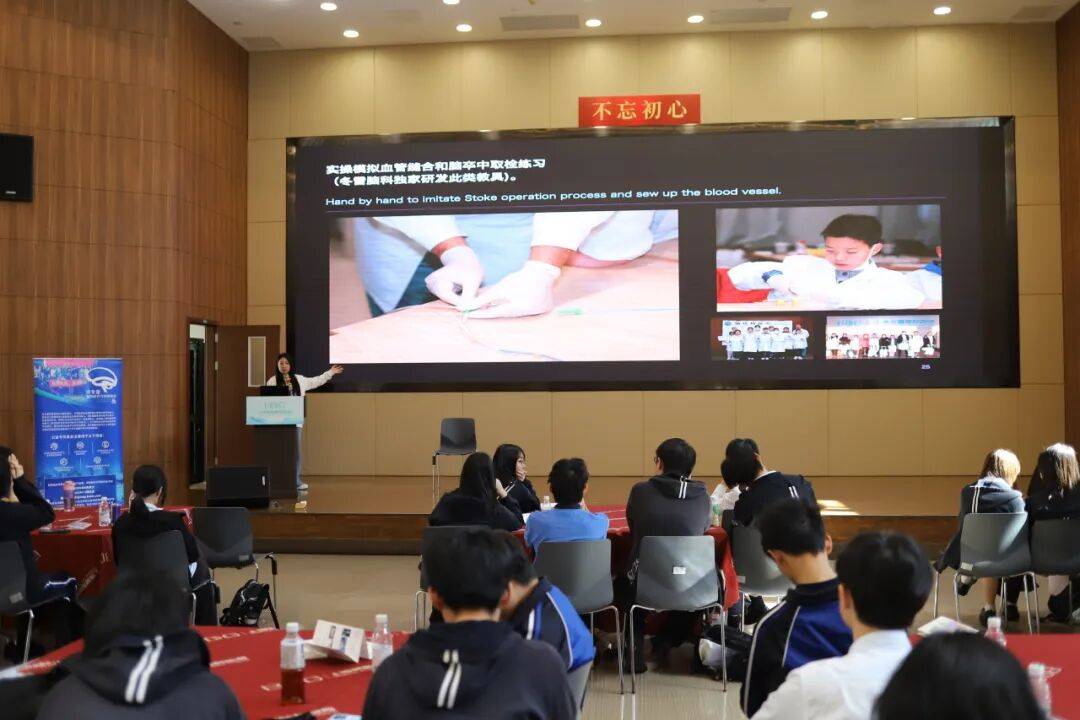
内容覆盖基础脑知识、医院实地观察、影像判读与病例分析,搭建起循序渐进的学习路径。课程结合真实脑病案例,引导大家思考:一组症状对应哪些脑结构的改变?医学影像能提供哪些关键线索?面对病例,如何整合已有知识做出推导?
The programme’s curriculum covers fundamental neuroscience knowledge, hospitalsite observations, medicalimage interpretation and case analysis, and building a progressive learning framework. Using realworld neurological cases, students are encouraged to think: what changes in brain structures might underlie a given set of symptoms? What critical clues can medical images offer? How can we draw conclusions by synthesizing existing knowledge when confronting clinical cases?
活动也同步介绍系统化备赛方案:脑科医生与科研专家负责专业知识、影像、病例指导;学科老师侧重训练文献阅读、信息提炼、识图分析、逻辑整合能力,帮同学们把零散知识点串联成体系。
Systematic competition preparation was also presented: neurosurgeons and research scientists offer guidance on domain knowledge, imaging and case studies; school subject teachers help strengthen skills including literature review, information extraction, image analysis and logical integration, enabling students to organize scattered facts into structured knowledge systems.
这也让一次短暂的医院参访,成为长期阅读、自主探究、持续实践的起点。
What began as a short hospital visit became a starting point for longterm reading, independent inquiry and continuous practice.
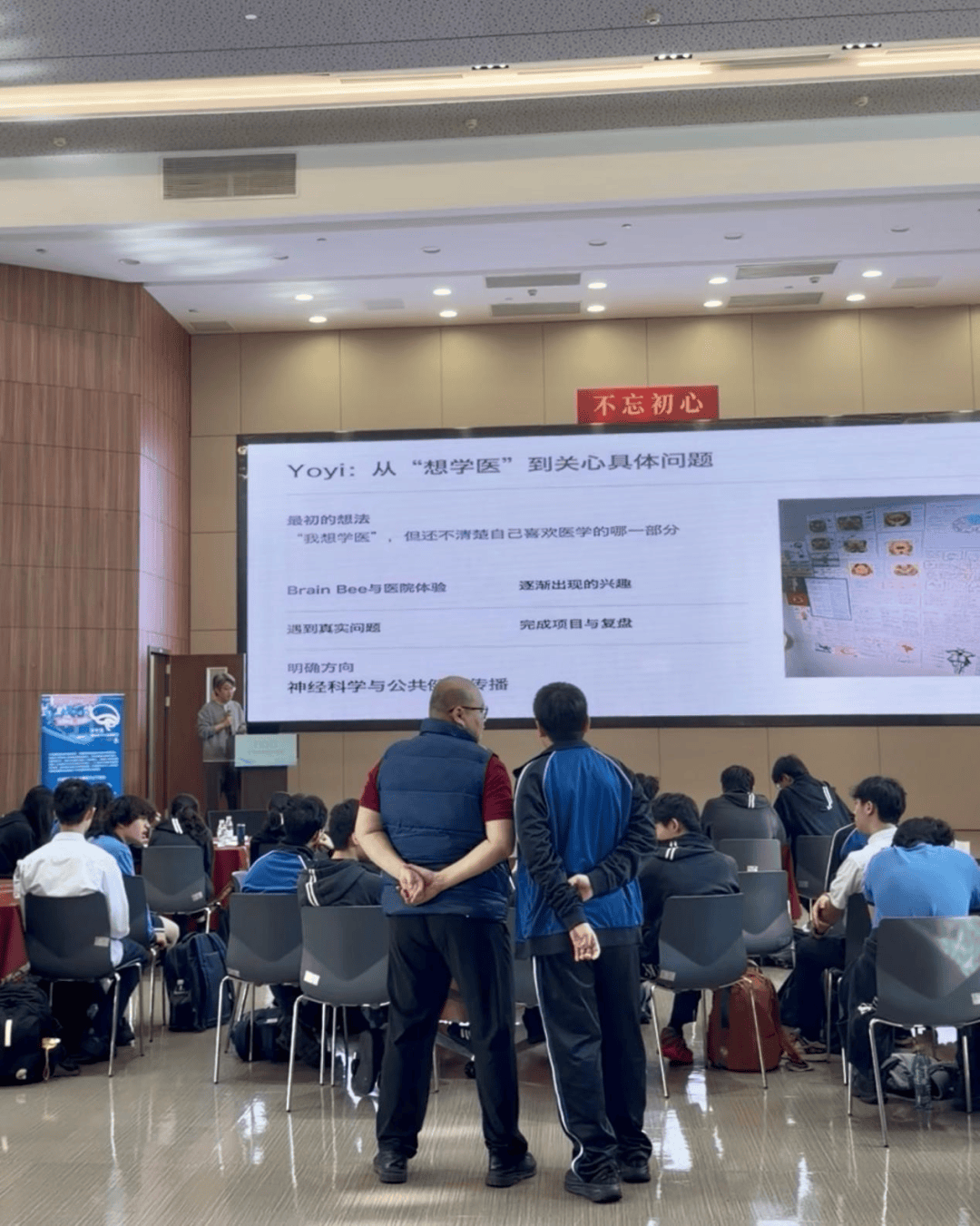
高中阶段,正是同学们探索自我兴趣、规划课程与未来方向的关键时期。在 “世界是游乐场” 分享环节,王老师结合真实学生成长案例,讲解如何借助真实项目与职业体验,认清内心所向。
High school is a pivotal period for students to explore personal interests, design academic pathways and plan for their future. During the sharing session The World Is a Playground, Ms. Wang drew on realstudent cases and explained how projectbased learning and careerimmersion experiences help young people identify their true aspirations.
学生感言:
G9-沈子洛
近日,我走进上海冬雷脑科医院,开启了一场治愈又深刻的脑科学研学之行,在探索大脑奥秘的过程中收获成长与新知。
院区安静澄澈整洁,褪去了寻常医院的沉闷,处处尽显专业与温柔。我们跟随老师云端探访手术室,亲眼窥见医者精益求精的态度,真切体悟医学的严谨庄重与生命的可贵可敬。课堂之上,我接触到许多奇妙的脑科学知识,了解了镜像神经元、神经重塑与RAS注意系统的运作原理。最让我受益匪浅的,是大脑的显化能力。我明白了所谓显化,并非虚无的幻想,而是依靠积极心理暗示、清晰目标愿景,重塑自我状态,让心中的期许慢慢落地成真。
趣味的互动体验,让冰冷的科学变得鲜活温暖。这场研学之旅,不仅拓宽了我的眼界,让我读懂科学用脑的智慧,更教会我以积极心态自我塑造,在成长途中奔赴更好的自己。
G12-王晴
走进上海冬雷脑科医院参观,院内的公共区域宽敞明亮,整体环境舒适。院里配备许多先进的诊疗设备与手术室,普通病房和ICU的布局设计科学合理,能照顾到不同病患的需求,让我真切感受到现代医疗的专业与用心。
随后的科普宣讲会,带领我走进奇妙的脑科世界。我认识了大脑的基础知识,了解人处于不同状态时,脑电波会有不一样的活跃变化,也学习到实用、科学的学习方法。这趟经历让我收获满满,今后我也会尝试运用这些知识调整学习方式,好好关注、守护自己的脑健康。
从认识大脑的构造,读懂学习的底层原理,到探索多元的未来方向,这场 “小小脑科医生” 公益活动,为青浦协和的同学们打开了观察世界、认识自我的多重视角。
From understanding brain anatomy and the underlying mechanisms of learning, to exploring diverse career possibilities, this publicwelfare “Little Neurosurgeon” program has offered SUIS Qingpu High School students multiple lenses through which to observe the world and understand themselves.
愿同学们永远保有好奇,敢于提问,在真实体验中发掘热爱,在反馈中调整步伐,在持续探索里,找到愿意奔赴一生的方向。
May our students always stay curious, dare to raise questions, discover their passions through handson experiences, adjust their pace with feedback, and keep exploring until they find a calling worth devoting their lives to.
* 动态内容整理自学校公开信息,最新信息以学校官方发布为准。